Karva Chauth 2026 is on Thursday, 29 October: puja muhurat and moonrise times
The fast falls on 29 October in India, not 28 October. Delhi's puja muhurat is 5:38–6:56 pm and the moon is expected at 8:17 pm.
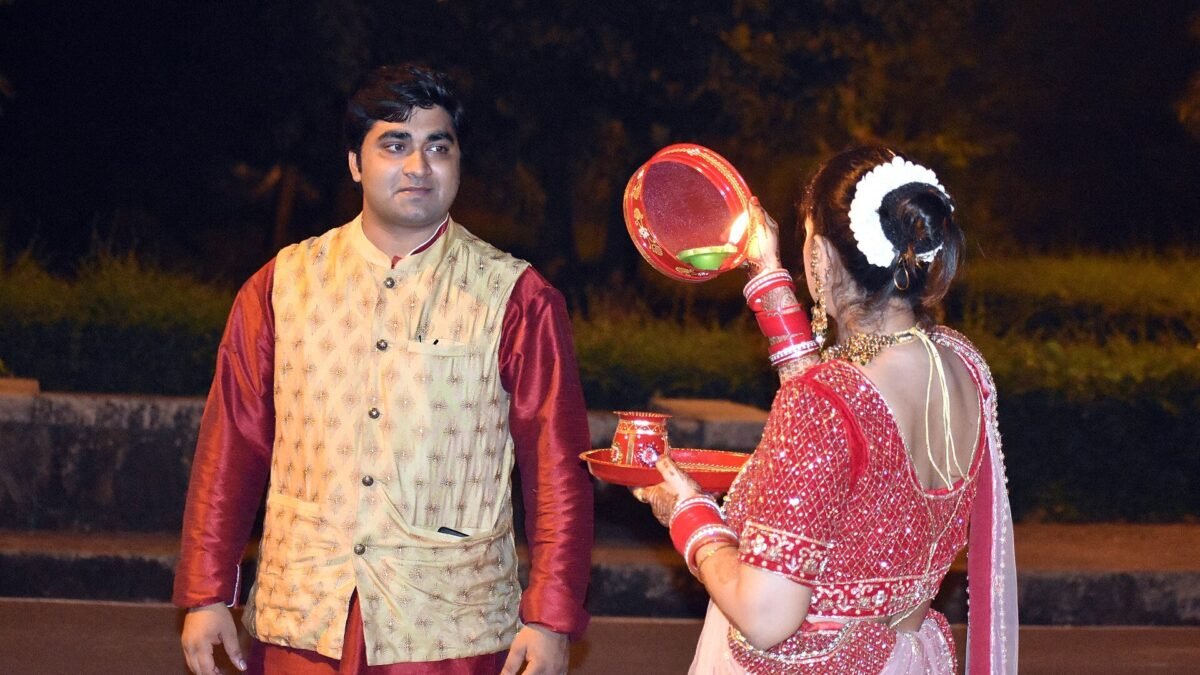
Karva Chauth will be observed across India on Thursday, 29 October 2026, according to Drik Panchang and other widely used almanacs. The Chaturthi tithi of the Kartik Krishna paksha, on which the fast is kept, begins at about 1:06 am on 29 October and ends at about 10:09 pm the same day, so the fast, the evening puja and the sighting of the moon all fall on Thursday.
Searches for the date have risen sharply this week because of conflicting figures online. Some reports have mentioned Wednesday, 28 October, which is the correct date for the United States and Canada, where the moon rises within the Chaturthi tithi a day earlier by local time. A few calendar pages have also shown 30 October, but the tithi itself ends on the night of the 29th. For India, Drik Panchang, The Sunday Guardian and other almanac sites agree on 29 October.
Puja muhurat and fasting time
For New Delhi, the puja muhurat on 29 October is from 5:38 pm to 6:56 pm, according to Drik Panchang timings cited by several sites. The fast runs from sunrise, at about 6:30 am in Delhi, to moonrise. Women who follow the custom of sargi, a pre-dawn meal usually given by the mother-in-law, eat it before sunrise. In Navi Mumbai, Drik Panchang puts the puja window at 6:06 pm to 7:21 pm and the fasting period at 6:37 am to 9:00 pm.
Moonrise times in major cities (29 October, IST)
- New Delhi: 8:17 pm
- Chandigarh: 8:12 pm
- Lucknow: 8:06 pm
- Patna: 7:52 pm
- Kolkata: 7:47 pm
- Jaipur: 8:28 pm
- Mumbai: 9:00 pm
- Chennai: 8:44 pm
- Bengaluru: 8:55 pm
These are Drik Panchang figures as compiled by Divine Hindu and Muhurat Choghadiya. Moonrise depends on longitude, so eastern cities see the moon earlier than western and southern ones. Some apps time the moment the upper edge of the moon appears and may show a time four or five minutes earlier. Clouds or haze can delay the actual sighting, so families often wait a little longer than the listed time.
About the observance
Karva Chauth is kept mainly by married Hindu women in north and west India, including Punjab, Haryana, Delhi, Rajasthan, Uttar Pradesh and Madhya Pradesh, who fast for the well-being and long life of their husbands. Many keep a nirjala fast, without food or water, from sunrise until the moon is seen. The name comes from the karva, an earthen pot used in the rituals, and chauth, the fourth day of the lunar fortnight.
In the evening, women gather in groups, often in festive clothes and with mehendi on their hands, to hear the Karva Chauth katha and perform the puja. After moonrise, they view the moon, often through a sieve, offer water to it and then break the fast, traditionally with water or food offered by their husbands. Unmarried women and, increasingly, husbands also keep the fast in some families.
In Maharashtra, the same day coincides with Vakratunda Sankashti Chaturthi, dedicated to Lord Ganesha. Almanac sites advise that pregnant women, people with diabetes or those who are unwell may keep a lighter fast with water, fruit or milk after consulting a doctor. As timings vary by location, readers should check the panchang for their own city.
Karva Chauth is followed by Ahoi Ashtami on 1 November, while Diwali falls on 8 November this year.
Sources
- Drik Panchang: 2026 Karwa Chauth Vrat (Navi Mumbai)
- Divine Hindu: Karwa Chauth 2026: Moonrise Time by City (29 Oct)
- The Sunday Guardian: Karwa Chauth 2026 Date: Will It Be Celebrated on October 28 or 29?
- Muhurat Choghadiya: Karwa Chauth 2026 Date — 29 October: Moonrise Time, Puja Muhurat, Sargi & Vrat Vidhi
Related
Valmiki Jayanti 2026 today: Purnima timings, significance and where schools and banks are shut

Casio unveils analog G-Shock 2500 series inspired by the 1983 original, with magnetic ‘Shock Release’ hands