India Bans Export of Lithium-Ion Battery Scrap to Keep Critical Minerals at Home
The DGFT has moved lithium-ion battery scrap, or black mass, from ‘Free’ to ‘Prohibited’ for export, aiming to feed domestic recyclers and recover lithium, cobalt, nickel and manganese.
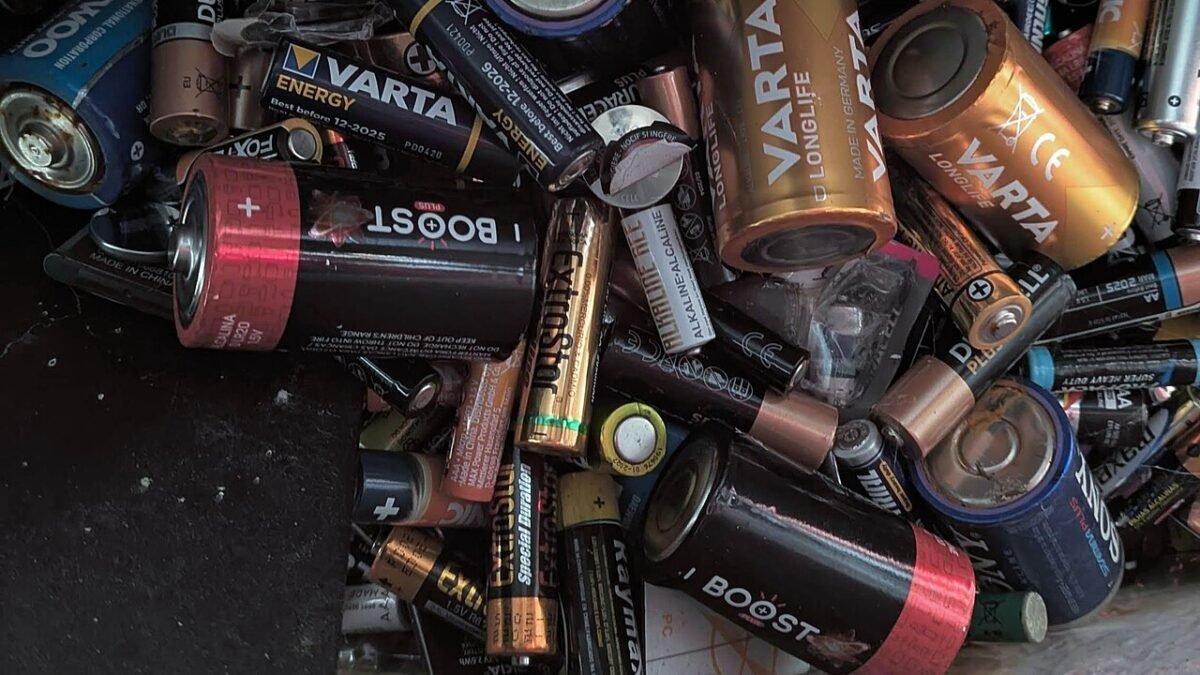

The Directorate General of Foreign Trade (DGFT) has barred exports of lithium-ion battery scrap, commonly known as “black mass”, by shifting the item from the “Free” to the “Prohibited” category, Business Today reported on 11 November.
Black mass is the material left when end-of-life batteries from electric vehicles, consumer electronics and energy-storage systems are taken apart and shredded. It holds critical minerals such as lithium, cobalt, nickel and manganese.
Why the ban
The decision is meant to raise domestic recovery of these minerals, strengthen India’s battery-recycling industry and ease a shortage of raw material for local recyclers. Industry estimates cited in the report put India’s annual black mass generation at under 15,000 tonnes, against more than 60,000 tonnes of refining capacity and over 1,00,000 tonnes of yearly shredding capacity. Processors have argued that exports leave less material for recyclers at home.
The Material Recycling Association of India (MRAI) welcomed the step, saying it will help conserve and secure critical minerals within the country.
The report did not mention the notification number, the date from which the ban applies or whether any exemptions are allowed.
Featured image: Used batteries inside recycling container by Waldyrious, CC BY-SA 4.0, via Wikimedia Commons.
Sources
Related
India–UK Trade Deal Hits First Tariff Snag: Customs Seeks 150% Duty on Bulk Scotch, Containers Held at Ports

Gaurav Munjal Steps Down as Unacademy CEO, Becomes Executive Chairman; Akhilendra Kumar Named CEO