EPFO Proposal Would Let Members Add Money to PF Directly via UAN, Even Tips; Not Yet Notified
The CBT approved UAN-linked voluntary and third-party micro-contributions on 19 November, but scheme and tax changes are still pending.
Members of the Employees’ Provident Fund Organisation (EPFO) may in future be able to put money into their own PF accounts without going through an employer, under a proposal cleared by the EPFO’s Central Board of Trustees (CBT) at its 240th meeting on 19 November. The idea has drawn wide interest, but it is only an approval in principle so far and has not been notified.
What the board cleared
According to the Labour Ministry’s release on the meeting, the board approved UAN-linked ways for members to make direct voluntary contributions, and for third parties to make small “micro-contributions”, such as customer tips, into a member’s account. Both would work outside the employer payroll system.
How it works today
At present, PF runs through the payroll: the employer deducts the worker’s share, adds its own matching share and deposits both. Paragraph 19 of the EPF Scheme already allows members to contribute extra on a voluntary basis, but that money also has to be routed by the employer through the electronic challan-cum-return. The new route would remove that dependence, which could matter most for people without a regular payroll, such as delivery riders, drivers and freelancers.
What is still pending
- The Labour Ministry must approve amendments to the scheme before they are notified; no timeline has been given.
- A matching change to the Income Tax Act is being taken up with the Finance Ministry, so the tax treatment of direct deposits is not yet clear.
- Details such as deposit caps, charges and how tips will be verified and credited have not been announced.
Until the changes are notified, contributions will continue to go through employers. At the same meeting, the board also cut the minimum balance members must keep from 25% to 10%, reduced the waiting period for final withdrawal from 12 months to two months, and approved a Systematic Withdrawal Plan for retirement savings.
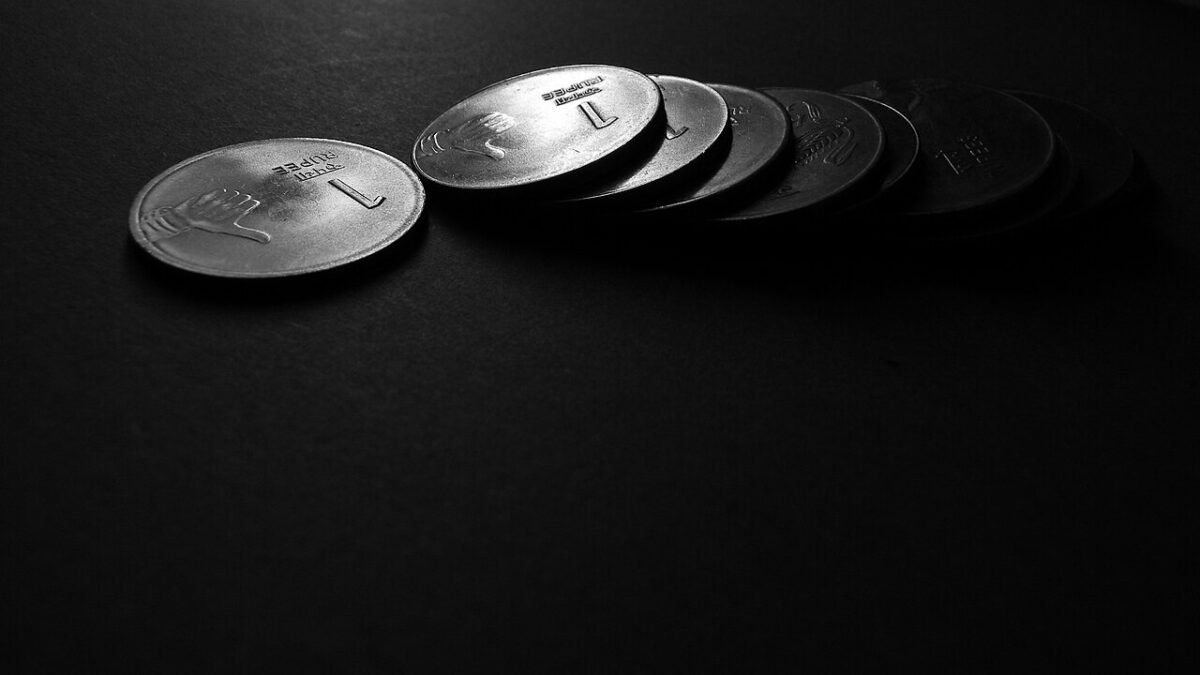
Featured image: Photo: One Rupee Indian coins by Reserve Bank of India / Kshitij Gupta, CC BY-SA 3.0, via Wikimedia Commons.

Sources
Related

Is the Stock Market Open Today? NSE, BSE Shut on 24 November for Guru Nanak Jayanti; Trading Resumes Wednesday
RBI Proposes ‘Stop Switch’ to Block All Outgoing Digital Payments, Plus Trusted-Person Approval for Big Transfers