Parliament to Reconvene From November 30 as Centre Is Seen Readying a Second Push for the Delimitation Bill
The Lok Sabha meets on November 30 and the Rajya Sabha on December 2; the government has not named the agenda, but the delimitation and women's quota bills are widely expected.
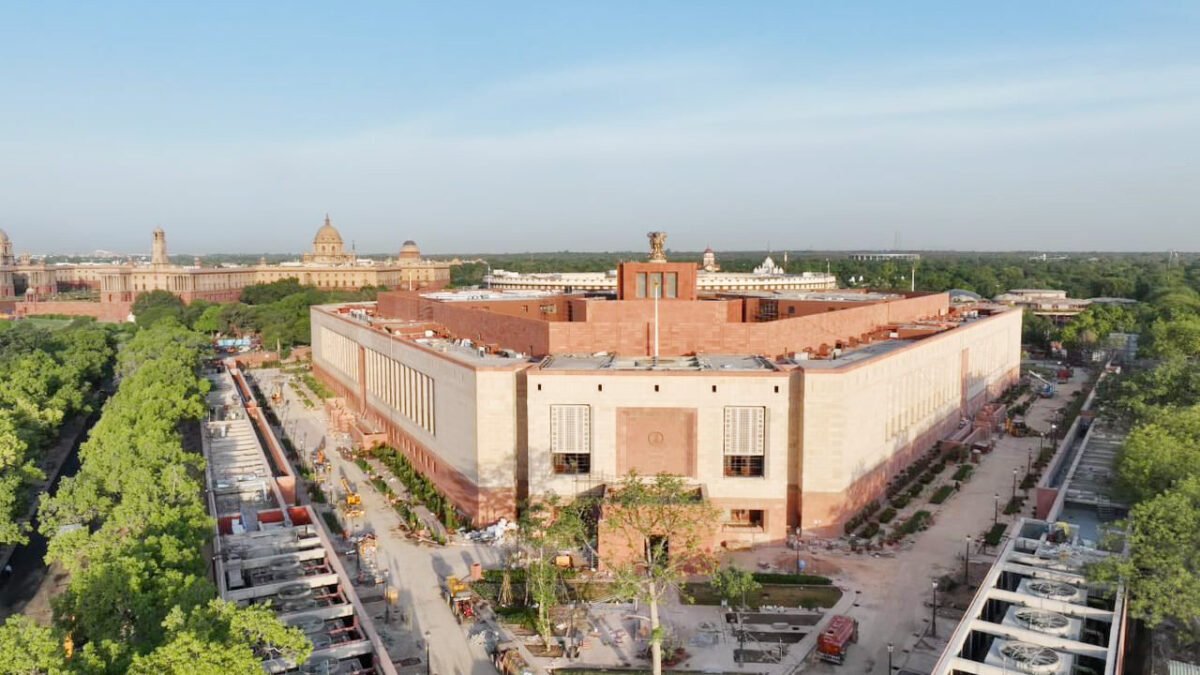
Parliament will meet again next week for a short special sitting. Parliamentary Affairs Minister Kiren Rijiju announced on Thursday that the Lok Sabha will reconvene on Monday, November 30, and the Rajya Sabha on Wednesday, December 2, to take up “essential government business”. Both Houses could rise on December 3.
The sitting continues the Monsoon Session, which was adjourned sine die on August 13 but never prorogued. The government has not said what it plans to bring, but there is wide speculation that it will try again with the Constitution (131st Amendment) Bill, 2026 and the Delimitation Bill, 2026.
What the two Bills propose
- The amendment would raise the maximum strength of the Lok Sabha from 550 to 850: up to 815 members from the states and up to 35 from Union Territories, against 530 and 20 now. Seats would again be shared among states in proportion to population, and Parliament would decide by law when delimitation happens and which Census it uses.
- The Delimitation Bill says the latest published Census on the date the Delimitation Commission is set up will be used, which points to the 2011 Census. The Centre would constitute the Commission by notification and appoint its chairperson.
- The women’s quota law of 2023 reserves one-third of Lok Sabha and Assembly seats for women, but only after a fresh Census and delimitation. The amendment drops the fresh-Census condition so that the quota can apply from the 2029 Lok Sabha election, with reserved seats rotated and the arrangement lasting 15 years unless extended.
The numbers
The amendment failed in the Lok Sabha on April 17, when 298 members voted for it and 230 against. With 528 present and voting it needed 352 votes, so it fell 54 short.
Business Standard reports that the arithmetic has shifted since then. Twenty rebel TMC MPs have merged with the NCPI and pledged support to the NDA, and six Shiv Sena (UBT) MPs have joined the Shinde-led Shiv Sena. The SAD’s lone MP is expected to vote with the government, and YSR Congress’s four MPs are reported to be backing it. The DMK, with 22 MPs, says it may support the Bill if Tamil Nadu’s present share of seats is protected, while the NCP (SP)’s eight MPs will decide after the Bill is tabled.
The Congress opposes the move, calling it politically motivated and a threat to federalism, and has criticised the short-notice sitting without Question Hour or Zero Hour. The wider debate is over representation: a PRS Legislative Research projection cited by IBTimes India suggests Uttar Pradesh would gain and Tamil Nadu and Kerala would lose relative share under the proposed framework.
Featured image: Photo: Glimpses of the new Parliament Building, in New Delhi (2) by Ministry of Parliamentary Affairs, GODL-India, via Wikimedia Commons.
Sources
Related
UPPSC PCS Prelims 2026: District Information Slip Available From Today; Admit Card on December 1, Exam on December 6
Allahabad High Court Quashes UPPSC APO 2025 Prelims Result, Orders Fresh Mains Over Exclusion of Meritorious Reserved Candidates