Bosnia elects a new three-member presidency in a vote shaped by Serb separatism and the EU question
More than 3.4 million people can vote for the collective presidency, the state parliament and 14 entity and cantonal governments. 75 parties are on the ballot.
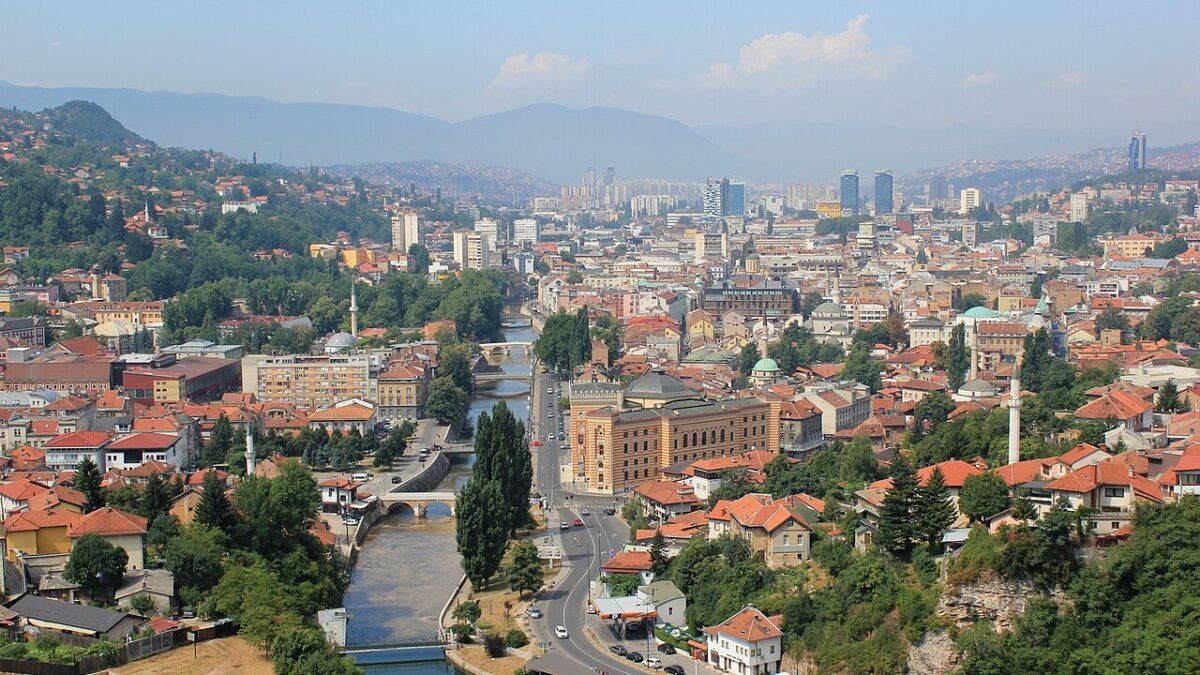

Bosnia and Herzegovina held general elections on Sunday, 4 October. More than 3.4 million people were eligible to vote, and 75 political parties and four independent candidates were registered.
What is being decided
- The three-member presidency, with one Bosniak, one Croat and one Serb member.
- The state-level Parliamentary Assembly: 42 seats in the House of Representatives and 15 delegates in the House of Peoples.
- Entity and cantonal governments across 14 jurisdictions.
The main contenders
For the Bosniak seat, the candidates include incumbent Denis Becirovic (SDP), Bakir Izetbegovic (SDA), Semir Efendic and Fahrudin Radoncic. The Croat seat is contested by Darijana Filipovic (HDZ BiH), Slaven Kovacevic and Zdenko Lucic. For the Serb seat, incumbent Zeljka Cvijanovic of the SNSD faces Marinko Bozovic (SDS) and Nebojsa Vukanovic.
The SNSD is led by Milorad Dodik, who is best known for separatist moves in the Serb-majority Republika Srpska and for challenging the authority of state institutions. Cvijanovic has kept close ties with Russia.
Why it matters
Bosnia’s power-sharing system, set up by the 1995 Dayton peace agreement, often leads to deadlock. Voters also list rising living costs and slow progress towards joining the European Union among their main concerns. A government that can actually pass reforms would matter for the EU’s plans to enlarge into the Western Balkans.
Sources: Al Jazeera.
Related

Algeria sent fighter jets to Niger to stop a coup attempt, President Tebboune says

Brazil votes: Lula, 80, faces Flavio Bolsonaro as both predict a first-round win