Delhi says 217 lakh tonnes of landfill waste is gone. Residents say new garbage hills are rising
Chief Minister Rekha Gupta laid foundation stones for new waste plants at Okhla, Ghazipur and Singhola. But the city still produces 11,000 to 12,000 tonnes of fresh waste a day.
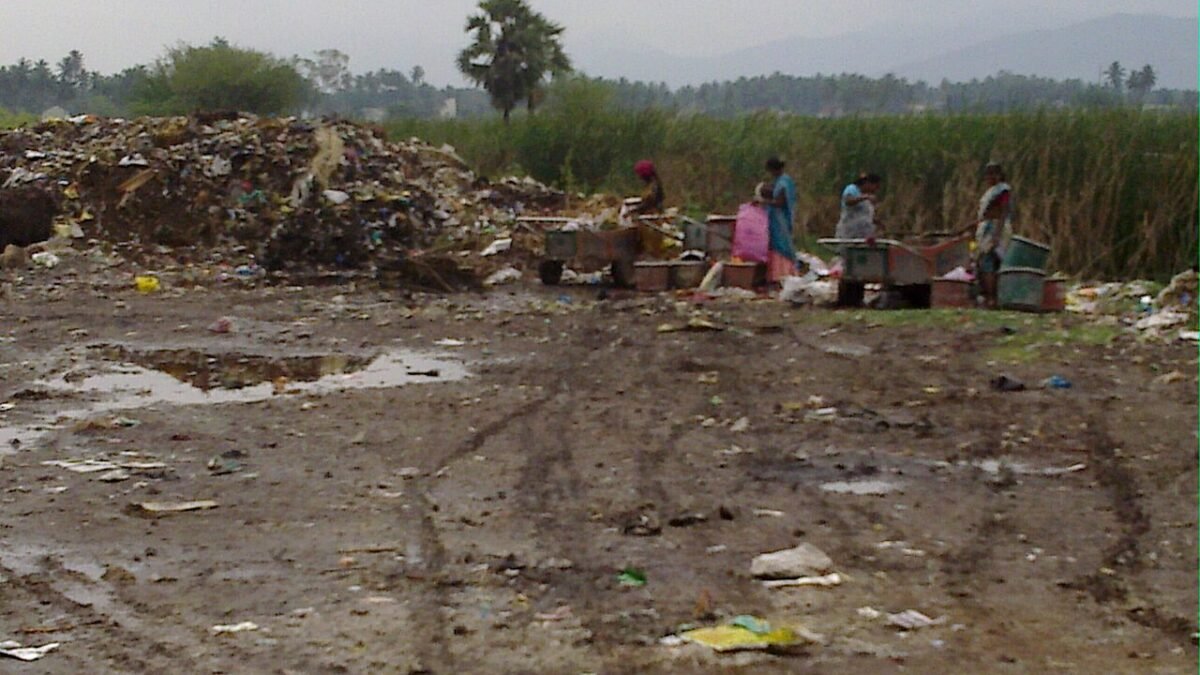

Delhi Chief Minister Rekha Gupta said on Saturday that 217.17 lakh metric tonnes of waste had been cleared from the city’s three landfills at Okhla, Bhalswa and Ghazipur over the last 18 months, freeing nearly 100 acres of land. She laid foundation stones for new waste-processing plants at Okhla, Ghazipur and Singhola, and for a biogas plant at Ghazipur.
Waste should not remain waste. Delhi should use it as wealth. People are seeing that the garbage mountains are continuously shrinking. — Rekha Gupta, Chief Minister of Delhi
The deadlines
- Okhla (46 acres, about 40 m high): to be cleared by December 2026. The earlier target was 2023.
- Bhalswa (36 acres, about 62 m high): December 2026. The earlier target was 2025.
- Ghazipur (70 acres, about 65 m high): December 2027.
The pace has picked up. Between April 2025 and February 2026, 74.11 lakh tonnes were processed, the most in any year. The number of trommel machines used to sift the waste has risen from 25 in June 2022 to 58. Heavy rain in August slowed biomining to as little as 650 tonnes a day, from 6,000 to 9,000 tonnes on good days.
The catch
Delhi still generates 11,000 to 12,000 tonnes of fresh waste every day, and processing capacity has not kept up. A ground report by ThePrint found waste piling up at a new site in Sanot village near Rohini, and residents around Bhalswa describing fresh dumps forming nearby.
They have reduced the height of the landfill on one side, but on the other, the waste has increased considerably. — Sheikh Akbar Ali, coordinator, Basti Suraksha Manch
New capacity is coming. Okhla’s waste-to-energy plant is to grow from 1,950 to 2,950 tonnes a day by March 2027, a new 1,800-tonne fresh-waste plant has been approved for Bhalswa, and Ghazipur is to get a 2,000-tonne waste-to-energy plant by December 2028. Until then, the risk is that the old mountains shrink while new ones grow elsewhere.
Sources: ThePrint, ThePrint ground report.
Related
Karnataka wants to make carpooling legal in Bengaluru. The Motor Vehicles Act is in the way
Ex-IAS officers and techies lead Hyderabad protest against voter-roll revision, demand CEC’s exit