

Charging for UPI is fair. Breaking the habit of the chaiwala’s QR code is not
From 15 October large merchants will pay a small fee on bigger UPI payments. It is a sensible step, provided the exemption for small traders holds.

Indians made 24.07 billion UPI payments in September, an average of more than 80 crore a day. No other country has built anything like it. But it has run on a fiction: that moving money is free. Banks and payment apps have carried the cost, with some government subsidy, for six years.
That changes on 15 October. Merchants will pay a fee of 0.40%, capped at ₹300, on UPI payments above ₹2,000. Person-to-person transfers stay free. Small merchants who receive up to ₹1 lakh a month are exempt.
Why a fee makes sense
Infrastructure that is never paid for is eventually neglected. UPI needs constant investment in fraud prevention, uptime and new features. Banks and apps that earn nothing from a payment have little reason to invest in it. A modest charge on larger merchant payments, which make up a small share of transactions, gives the system a way to pay for itself.
The fee is also lower than what card payments cost merchants, so it is unlikely to push big shops back to cash.
Where it could go wrong
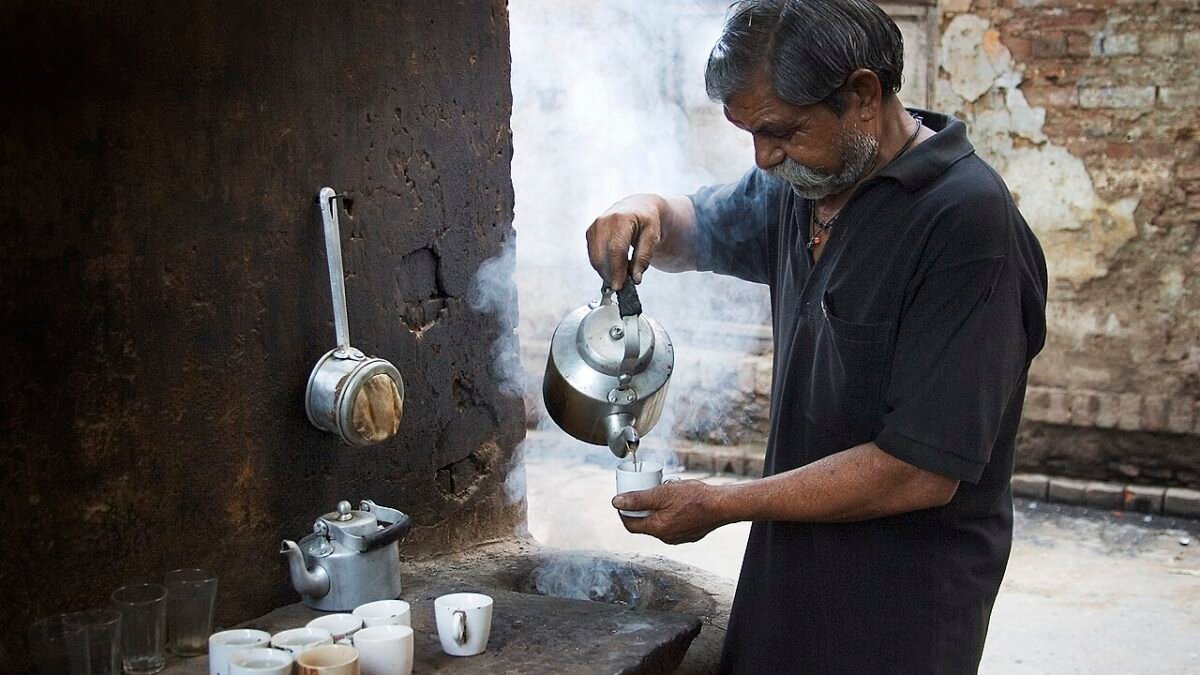
UPI succeeded because a vegetable seller with a printed QR code could accept money as easily as a mall. That must not change. Three things matter:
- The ₹1 lakh exemption for small merchants must be protected and simple, with no paperwork that pushes a street vendor into the fee net by mistake.
- Merchants must not be allowed to pass a surcharge on to customers quietly. If they do, regulators should act.
- The NPCI and RBI should publish what the fees earn and where the money goes, so the public can see it is funding the system and not just padding margins.
Done right, this is the moment UPI grows up from a subsidised public good into sustainable public infrastructure. Done badly, it chips away at the most successful piece of digital policy India has.
The Rostrum View is The Daily Rostrum’s house editorial. Disagree? Send us a guest editorial.
Sources: Our report on UPI’s September data, Business Standard.
The views expressed are the author's own and do not necessarily reflect those of The Daily Rostrum.
More from the Rostrum
All opinion →IRDAI is right: insurance should be bought, not sold to you
Commissions have grown far faster than premiums, and complaints are up sharply. The regulator's draft rules deserve support, and should be made tougher, not…
21 golds: Asian Games show depth. Now fund the athletes who are next
Golf, women's recurve archery and both hockey golds point to a broader sporting base. The test is whether money reaches the 17-year-olds before they…
Petrol above ₹100 is a warning. India’s energy security cannot depend on one strait
Seven months of the Hormuz crisis have shown how exposed Indian households are to a war they have no part in. The answer is…
If 13 crore names have gone from the voter rolls, the Election Commission owes the country a full explanation
Cleaning voter rolls is necessary. Doing it at this scale, without enough transparency, puts at risk the trust that Indian elections depend on.