

The Rostrum View: Enforce the law, but India’s professionals are not “indentured servants”
Washington may investigate visa abuse, but describing skilled Indian professionals as "indentured servants" is wrong and India was right to say so.
Words matter in diplomacy, and the words US Vice President JD Vance chose on 8 October were the wrong ones. Describing H-1B visa holders as “indentured servants” brought from abroad, he reached for a term that, for Indians, carries the memory of a colonial system that shipped labourers across oceans on terms close to bondage. The Ministry of External Affairs was right to call it “deeply offensive”.
The facts behind the anger
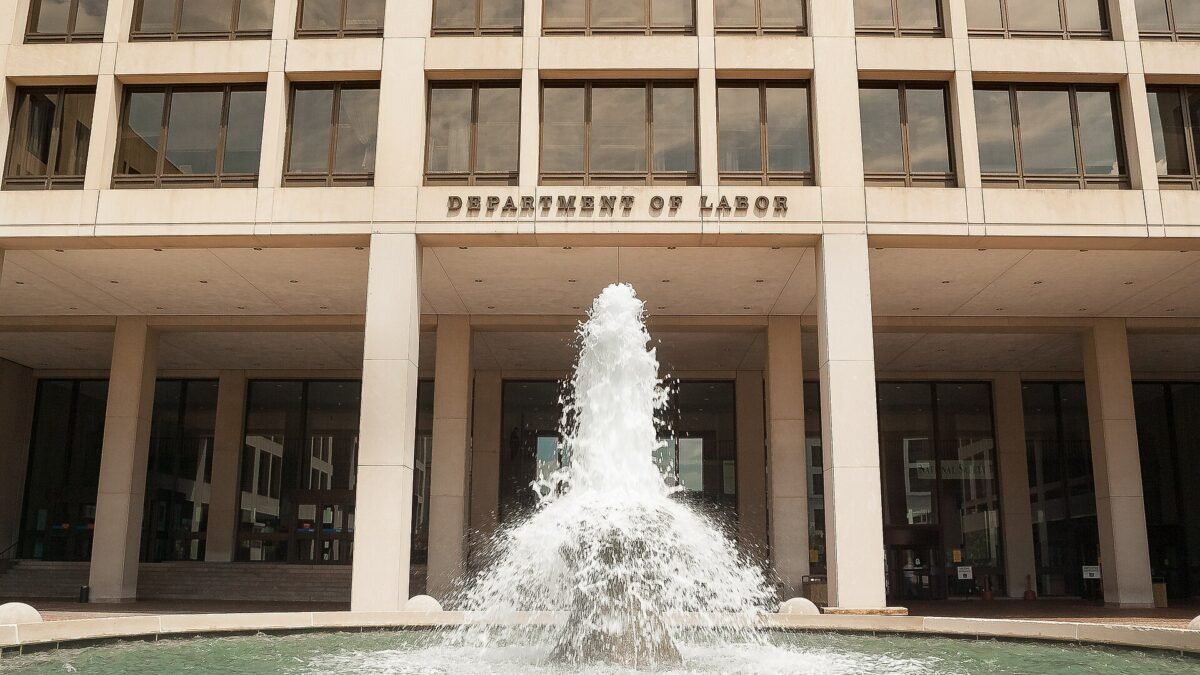
The remark did not come out of nowhere. The same week, the US Department of Labor suspended eight companies, including TCS, Infosys, Wipro, HCL, Cognizant and Capgemini, as well as Microsoft and Adobe, from the PERM programme, a key step towards employer-sponsored green cards. Labour Secretary Keith Sonderling cited multiple active federal investigations. Vance, for his part, claimed that H-1B workers are paid $20,000 less than comparable American citizens, and outsourcing-firm workers $48,000 less.
Washington has every right to enforce its labour laws and investigate abuse. If companies have broken rules, they should answer for it. But that is a case for due process, not for language that paints millions of skilled professionals as something less than free workers.
Who the remark describes
The people Vance described are, in the MEA’s words, “highly educated and skilled contributors” to the US economy and its innovation system. Many have spent years in America, paid taxes, built teams and raised families while waiting in the green card queue. To call them servants ignores their choices, their skills and their rights.
The MEA also made a useful point that should not get lost in the noise: PERM is separate from the H-1B programme, and the suspension does not by itself affect existing H-1B visas. It could, however, slow green cards for eligible employees of the companies involved. Families waiting on those cards deserve clarity, not rhetoric.
What India should do next
New Delhi’s response so far has been measured: firm on the language, calm on the policy, and focused on monitoring developments. That is the right tone. The next step should be to press, through official channels, for a clear timeline for the PERM investigations and for protection of workers who have done nothing wrong.
India and the United States have both gained from the movement of talent between them. As the MEA put it, the steps announced by the US “do not advance the shared ambitions of both countries”. A relationship this important deserves better than insults dressed up as policy.
This is The Daily Rostrum’s house editorial. Read our news report: India calls JD Vance’s “indentured servants” remark “deeply offensive”.
Sources: ANI, The Federal.
The views expressed are the author's own and do not necessarily reflect those of The Daily Rostrum.
More from the Rostrum
All opinion →IRDAI is right: insurance should be bought, not sold to you
Commissions have grown far faster than premiums, and complaints are up sharply. The regulator's draft rules deserve support, and should be made tougher, not…
21 golds: Asian Games show depth. Now fund the athletes who are next
Golf, women's recurve archery and both hockey golds point to a broader sporting base. The test is whether money reaches the 17-year-olds before they…
Charging for UPI is fair. Breaking the habit of the chaiwala’s QR code is not
From 15 October large merchants will pay a small fee on bigger UPI payments. It is a sensible step, provided the exemption for small…
Petrol above ₹100 is a warning. India’s energy security cannot depend on one strait
Seven months of the Hormuz crisis have shown how exposed Indian households are to a war they have no part in. The answer is…