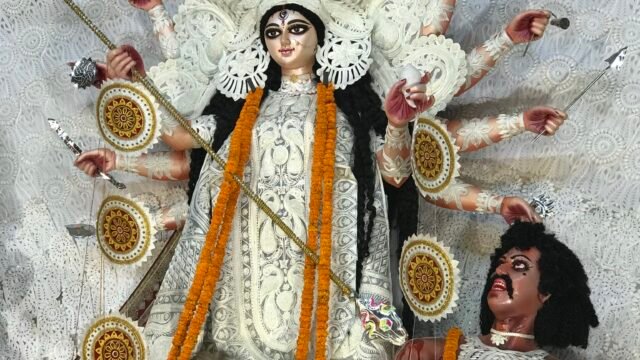
Dussehra 2026: Vijay muhurat, Dashami tithi and Ravan Dahan timings
Vijayadashami falls on Tuesday, 20 October. In New Delhi the Vijay muhurat runs from 1:59 pm to 2:45 pm, while Bengal marks Vijaya Dashami on Wednesday.
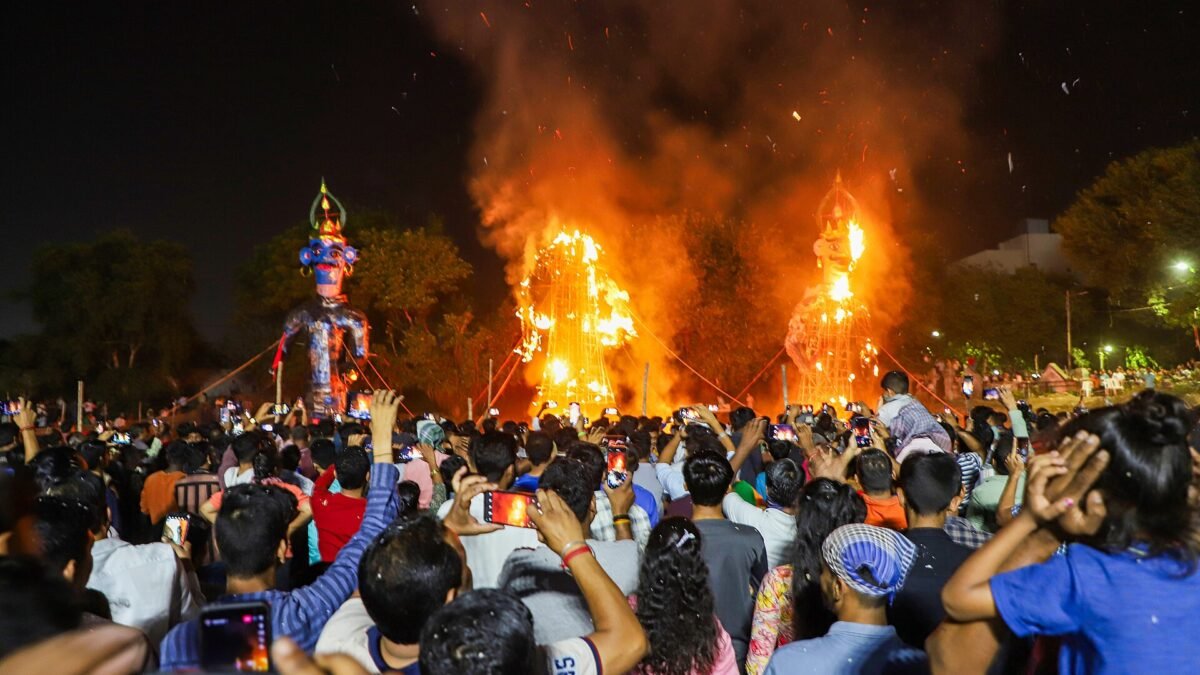
Dussehra, also called Vijayadashami, is being observed across most of India on Tuesday, 20 October, bringing the nine nights of Sharad Navratri to a close. The festival celebrates two victories of good over evil in Hindu tradition: Lord Rama’s defeat of Ravana, and Goddess Durga’s slaying of the buffalo demon Mahishasura.
Tithi and muhurat timings
According to Drik Panchang’s calculations for New Delhi, the Dashami tithi of the bright half of Ashwin begins at 12:50 pm on Tuesday and runs until 2:11 pm on Wednesday, 21 October. The Vijay muhurat, considered the most auspicious window of the day, falls between 1:59 pm and 2:45 pm, lasting about 45 minutes. The broader Aparahna (afternoon) puja period is listed from 1:14 pm to 3:30 pm. Shravana nakshatra, traditionally associated with the festival, remains in effect until 6:02 pm on Tuesday.
Timings shift with location. NDTV, citing Drik Panchang data, listed the Vijay muhurat in Mumbai as 2:19 pm to 3:06 pm, in Kolkata as 1:17 pm to 2:03 pm, in Chennai as 1:52 pm to 2:39 pm, in Bengaluru as 2:02 pm to 2:49 pm and in Jaipur as 2:06 pm to 2:51 pm. Readers in other cities should check a local panchang.
Ravan Dahan, the burning of giant effigies of Ravana, Kumbhakarna and Meghnad, has no single fixed time. It generally takes place after sunset at Ramlila grounds, and NDTV advised people to follow announcements from local Ramlila committees and organisers for exact schedules and venues.
Rituals of the day
Drik Panchang notes that the main Vijayadashami observances, including Shami puja, Aparajita puja and Seema Avalanghan (the symbolic crossing of a boundary), are meant to be performed during the Aparahna period. Shami puja involves worship of the shami tree and is known in the south as Banni or Jammi puja; it was historically linked with kings and warriors, and many families still exchange shami leaves as a token of prosperity. Devi Aparajita, the “unconquered” goddess, is worshipped for success in one’s undertakings. Many people also consider the day ideal for starting new ventures, buying vehicles or beginning studies.
One festival, many traditions
The name Dussehra is often explained as coming from the Sanskrit for “ten” and “defeat”, a reference to Ravana’s ten heads, which are commonly read as symbols of vices such as anger, greed and pride. In north India, the day caps weeks of Ramlila performances with effigy burning.
In Bengal and other eastern states, Vijaya Dashami brings the farewell of Goddess Durga, with sindoor khela and the immersion of idols. Drik Panchang lists Bengal’s Vijayadashami for Wednesday, 21 October this year, so many pandals there will hold visarjan a day later than the rest of the country. In Karnataka, Mysuru Dasara culminates in the Jamboo Savari procession of caparisoned elephants carrying the idol of Goddess Chamundeshwari. In Himachal Pradesh, Kullu Dussehra begins on Vijayadashami itself and continues for a week, with village deities brought to Dhalpur to join Lord Raghunath’s chariot procession. Nepal celebrates the season as Dashain.
Sources: Drik Panchang, NDTV
Related
Maha Navami 2026: date, Navami tithi timings and Sandhi Puja muhurat
Dussehra 2026 on 20 October: Vijay Muhurat timings by city and Ravan Dahan details