France reports world’s first human Shamonda virus case; patient has died
A severely ill, immunocompromised man in France is the first person ever known to be infected with Shamonda, a midge-borne livestock virus. Authorities say no risk to the general public has been identified.
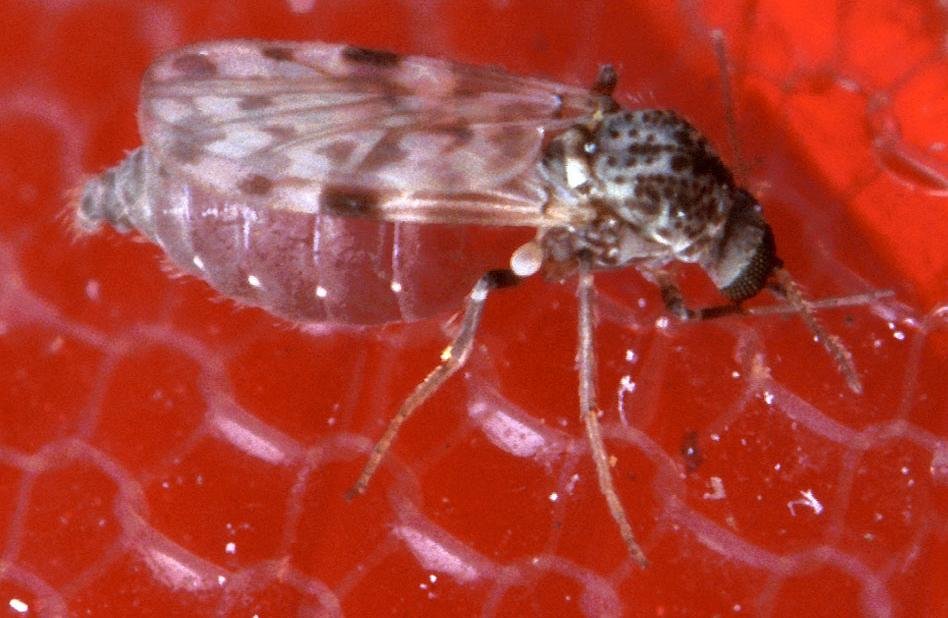
France has recorded the first known human infection with Shamonda virus (SHAV), a pathogen that until now had only been found in animals. The patient, a man who was already being treated for a serious illness that weakened his immune system, died in early October.
Health authorities are still investigating whether the virus caused or contributed to his death, and how he came to be infected.
What is Shamonda virus?
Shamonda is mainly a livestock virus, affecting animals such as cattle, sheep, goats, horses and alpacas. It is believed to pass between animals through the bites of tiny insects called biting midges, of the Culicoides genus. The World Health Organization (WHO) says more studies are needed to fully understand how it spreads. There is currently no commercial vaccine against it, according to the World Organisation for Animal Health.
The virus was first detected in European farm animals only this year. Animals began showing signs of illness from June, and the virus was identified in late July. It has since turned up in livestock in Austria, Belgium, France, Germany, Ireland, Italy, Liechtenstein, Luxembourg, the Netherlands, Portugal, Spain, Switzerland and Jersey.
How worried should people be?
French authorities say they have not identified any health risk to the general public so far. The patient lived in an area where the virus was circulating among animals and where midges were present, but which midge species was involved in his case is unknown.
The European Centre for Disease Prevention and Control (ECDC) notes that this remains the only human infection on record. It also points out that midge activity is generally highest from spring to autumn and is now declining as temperatures fall across Europe.
WHO Director-General Tedros Adhanom Ghebreyesus offered condolences to the man’s family and said the agency is working with French authorities to establish how he was infected, how the virus might be transmitted and whether it poses any wider public health risk. The ECDC is coordinating with the European Commission, the European Food Safety Authority and an EU reference laboratory to strengthen testing so that any further cases can be spotted quickly.
Sources
Related

Magnitude 7.0 earthquake strikes Tibet’s Nagqu region, at least 16 killed

Rubio says India-US trade deal is close, heads to Reliance’s Jamnagar refinery