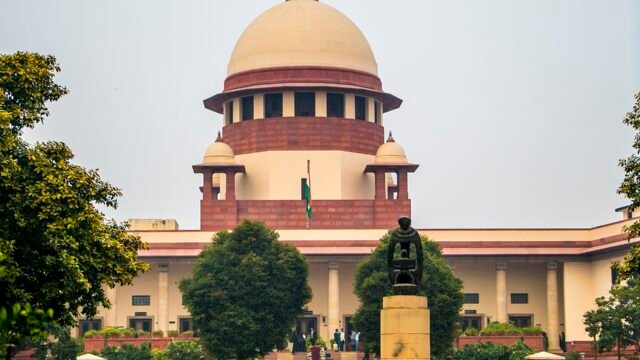
Supreme Court rules internet access is a fundamental right, including for children; rejects blanket age bans
A Supreme Court bench of Justices JB Pardiwala and K Vinod Chandran has held that internet access is a fundamental right of every individual, including children, while ordering steps against online child abuse material.
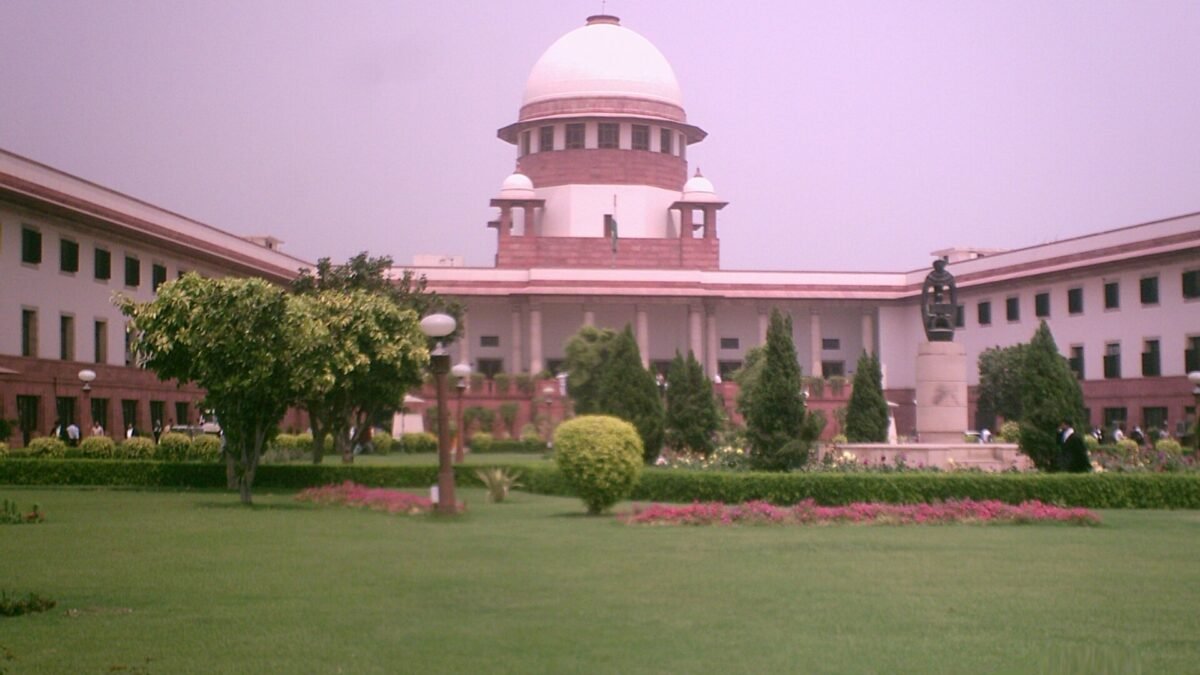
The Supreme Court has held that every person in India, children included, has a fundamental right to get online and use the internet, and has turned down the idea of blanket age-based bans as a way of keeping minors safe. The ruling was reported on 17 October.
A bench of Justice JB Pardiwala and Justice K Vinod Chandran made the observations while passing directions aimed at tackling child sexual exploitation and abuse material (CSEAM) on social media and other online services, according to LiveLaw. The matter is Just Rights for Children Alliance and another v. S. Harish and others, which came up as miscellaneous applications in criminal appeals decided in 2024.
What the court held
The bench located the right in Article 21 (life and personal liberty) read together with Article 19(1)(a) (freedom of speech and expression), LiveLaw reported. Free expression, it said, covers the freedom to seek, receive and share information and ideas, and the internet now serves as a key forum for that exchange.
- Bench: Justice JB Pardiwala and Justice K Vinod Chandran
- Constitutional basis: Article 21 read with Article 19(1)(a)
- Earlier rulings cited: Anuradha Bhasin v. Union of India (2020) and Pragya Prasun v. Union of India (2025)
“It would be absurd to deny children the right to access internet altogether,” the bench said, as quoted by LiveLaw. The judges noted that for many children in remote areas the internet is a main route to learning, and that children with special needs can find peers and support online.
The court accepted that the online world is not presently safe for children. However, it reasoned that shutting minors out because platforms had not removed harmful content would amount to “mistaking the victim for the problem”, according to LiveLaw. It described sweeping restrictions as “unproven measures of proven disproportionality”, a phrase also carried by The Federal.
Concerns over bans and age checks
The bench listed several practical worries with outright bans. Children could drift to unregulated and riskier platforms, and those being threatened or groomed online might become less willing to tell parents or other trusted adults. Checking the age of every user, it added, could mean constant gathering of sensitive personal data, raising the risk of misuse and surveillance.
“The safety of our children and their freedom are not at odds with each other,” the bench observed, as reported by The Statesman.
Safeguards suggested and directions issued
The court clarified that it was not ruling out age-appropriate protections. Among the measures it suggested, as reported by LiveLaw and The Federal:
- a separate “child mode” for accounts held by children
- accounts set to private by default
- limits on contact and messages from unknown adults
- greater parental consent and supervision, especially for pre-teens
- closer moderation of advertising and content shown to children
The finer details of such safeguards were left to the Union government. The court also said the Centre remains free to block children from categories of services that are harmful by nature, such as adult-content websites.
On the CSEAM issue, the bench directed steps to strengthen detection and takedown, including the creation of a national database to help identify such material and remove it across platforms, according to The Federal and LiveLaw. The full text of each direction was not set out in the reports reviewed.
Sources: LiveLaw, The Federal, The Statesman
Related
Jhansi court issues non-bailable warrant against Rakhi Sawant in 2010 ‘Rakhi Ka Insaaf’ case
Saket court summons affixed at Dhruv Rathee’s Gurugram home in 2018 defamation case filed by BJP IT cell member