US Proposes Tariffs of Up to 25% on All Indian Goods in Section 301 Excess-Capacity Action; Rate Could Fall to 17% With Trade Deal
The US Trade Representative has found that 14 economies, including India, China and the EU, burden US commerce through manufacturing overcapacity, and has proposed extra tariffs ranging from 15% to 35%.
The United States has proposed extra tariffs of up to 25% on all goods imported from India, after the office of the US Trade Representative (USTR) concluded on 25 November that India’s industrial policies add to “structural excess capacity” in manufacturing and burden American commerce. The rate could instead be set at 17% if India concludes what Washington calls an Agreement on Reciprocal Trade.
India is one of 14 economies named in the same set of decisions. US Trade Representative Jamieson Greer found the policies of each to be unreasonable and actionable under Section 301 of the Trade Act of 1974. The other 13 are China, the European Union, Singapore, Switzerland, Indonesia, Malaysia, Cambodia, Thailand, South Korea, Vietnam, Taiwan, Bangladesh and Japan. USTR said it has not yet decided on Mexico and Norway, the two other economies covered by the investigations.
Proposed rates
- Vietnam: up to 35%, or 20% with a reciprocal trade agreement
- India: up to 25%, or 17% with a reciprocal trade agreement
- China: up to 20% on most goods and up to 10% on goods in a separate annex, reflecting the rate in the October 2025 Kuala Lumpur arrangement
- Singapore: up to 20%, which could be cut to 10% with a deal
- Bangladesh, Cambodia, Indonesia, Malaysia and Thailand: up to 18% each
- European Union: 15%; Japan, South Korea, Switzerland and Taiwan: up to 15%
For India and most others, the proposed duty would be counted net of any existing Section 301 tariffs. For the EU, Japan, Korea, Switzerland and Taiwan it would also be net of normal most-favoured-nation rates. Certain goods listed in the Federal Register notices would be exempt.
What happens next
These are proposals, not final tariffs. USTR is taking written comments and requests to appear until 5 January 2027, and public hearings begin on 25 January 2027. The press release does not give a date on which any new duties would take effect.
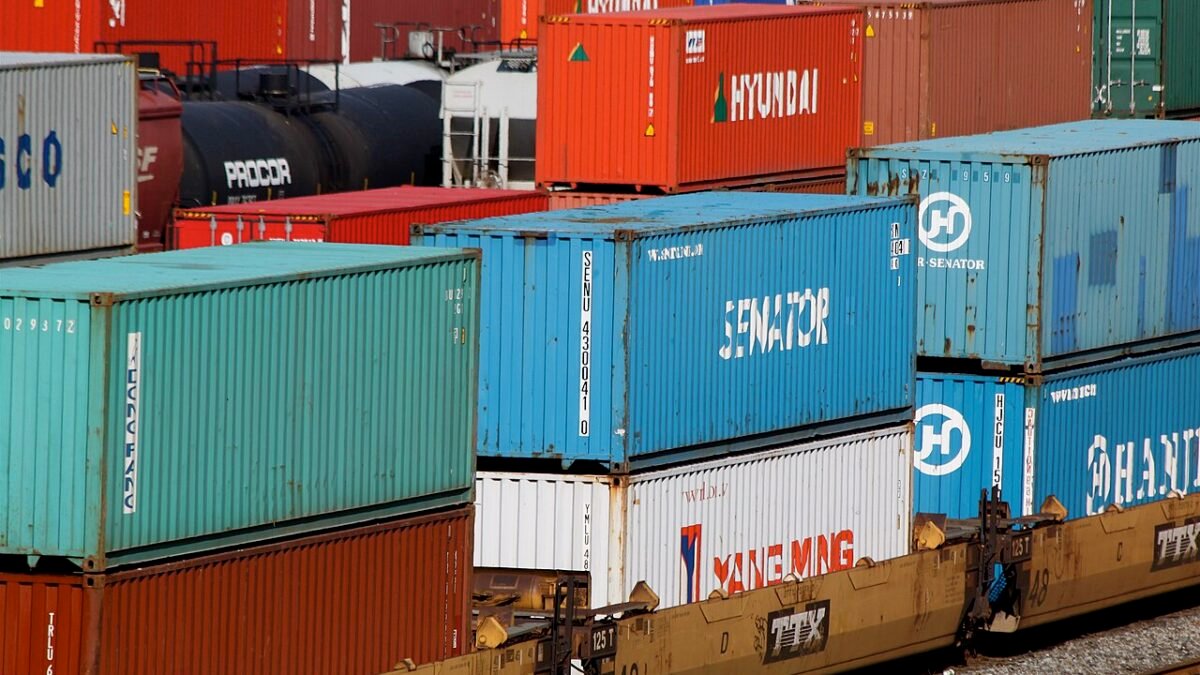
Featured image: Photo: Cargo containers (5945899601).jpg by Roy Luck, CC BY 2.0, via Wikimedia Commons.
Sources
Related
Crystal Crop Protection Shares List Today on NSE, BSE After Rs 455-Crore IPO Drew 17.07 Times Subscription
US Set to Raise Tariffs on China, EU and 14 Other Economies Over Subsidised Production: AP