India is spending more on perfume. Homegrown brands want to become luxury names
Fragrance sales grew about 15% to ₹6,640 crore in 2025. Brands from ₹449 to ₹14,000 are trying to win buyers who once stopped at a deodorant.
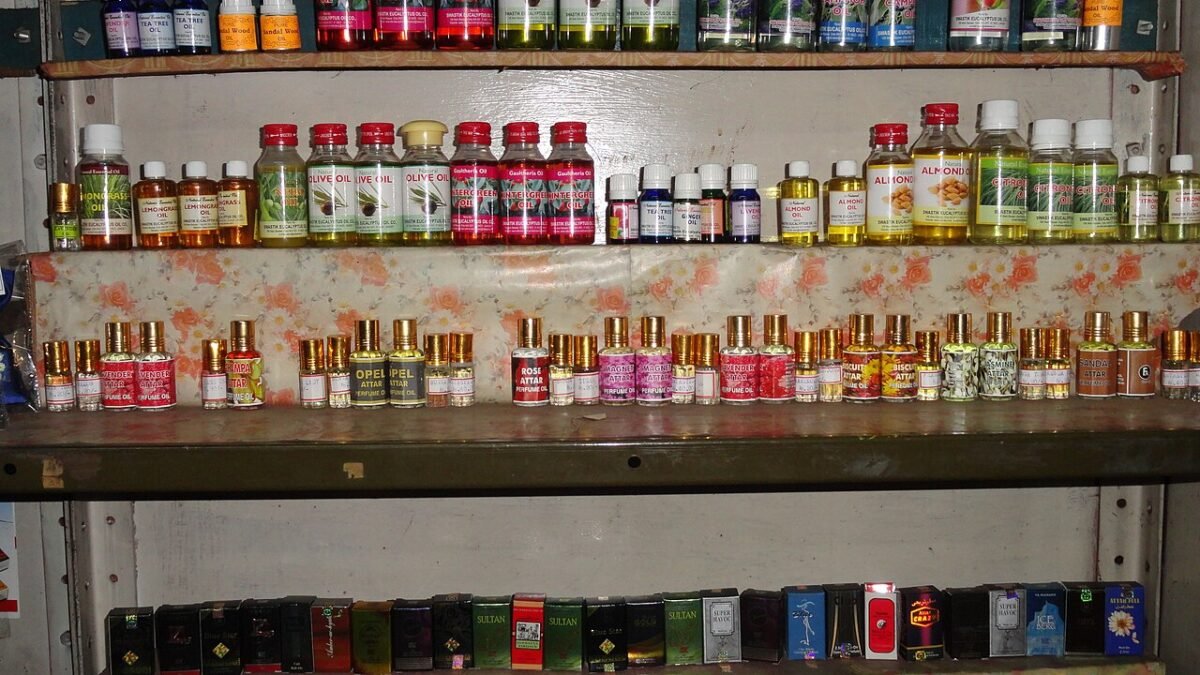

Indians are buying more perfume, and more of it is made by Indian brands. Retail sales of fragrances reached ₹6,640 crore in 2025, up about 15% in value, according to Euromonitor data cited by ThePrint. Online fragrance sales are growing 30-35% a year and now exceed online deodorant sales.
A ladder of prices
- Budget: Bella Vita at ₹449-549 for 100 ml, Renee, and Studiowest at around ₹1,000.
- Mid-range: Typsy at ₹2,299, Titan’s SKINN at ₹2,795-4,995, and 33North at ₹3,500 for 50 ml.
- Luxury: Maison de Fouzdar’s Santal Safran at ₹9,800-13,999, in the same price bracket as international labels such as Burberry and Dior.
What changed
The pandemic pushed people to shop online and learn about fragrance through videos and forums. Online communities now debate terms like sillage and projection and swap tips on affordable alternatives to designer scents. Perfume has also moved from a special-occasion purchase to an everyday one.
Access to delight fundamentally became shopping. — Harnidh Kaur, investor
Founders say the challenge is education. Kairavi Bharat Ram of Typsy says brands have had to explain why buyers should pay more. Dimple Fouzdar of Maison de Fouzdar, who trained in Grasse in France, says she is competing with international niche brands, and 46% of her customers come back to buy again.
The Kannauj question
India has a much older perfume tradition. Kannauj in Uttar Pradesh has made attar for centuries, and the Mughal emperor Jahangir appointed an official to check fragrance quality. But the industry has shrunk, from about 375 production units in 2008 to an estimated 130 today. Some young buyers say that heritage is poorly marketed, which is an opening for brands that can combine traditional Indian ingredients with modern packaging.
Sources: ThePrint ground report.
Related

Canada wants Indian students back. The University of Toronto is offering each one a visa ‘concierge’

Four older pilgrims die on Char Dham routes in three days. How to make the yatra safer