India Announces Rs 15,000 Crore Package for Nepal; Modi, Balendra Shah Adopt First Vision Document
The two sides listed 21 outcomes, including a 10,000 MW power import target by 2030, Kandla Port transit and a review of the 1950 treaty.
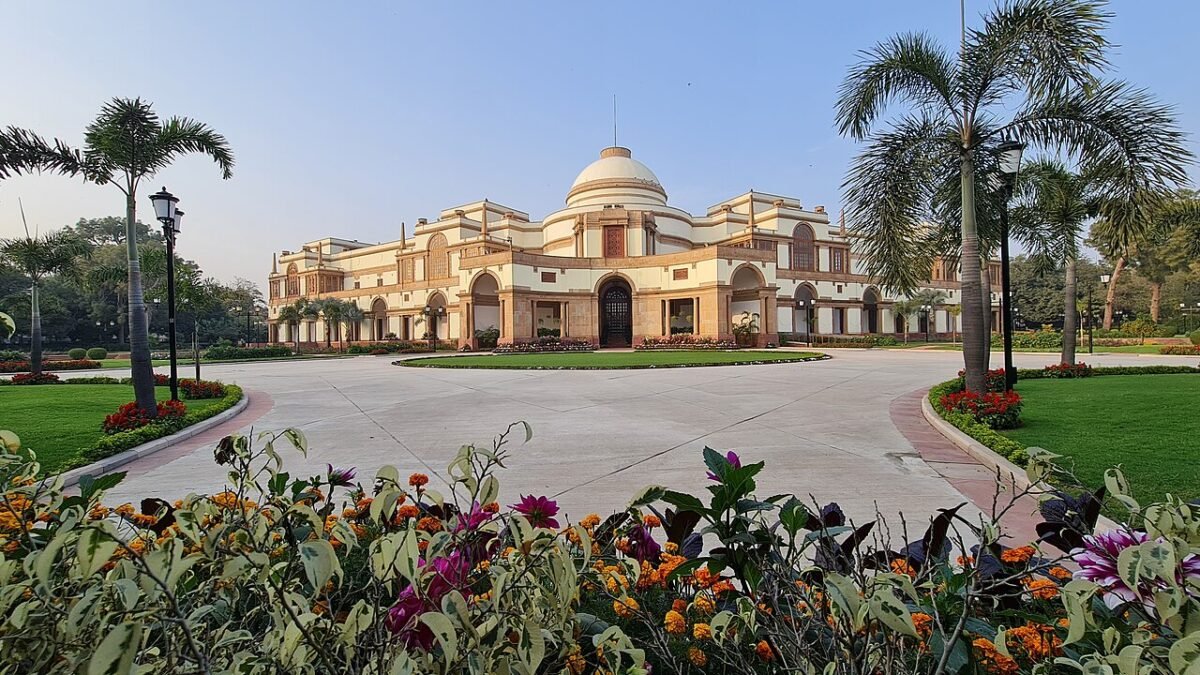
India has announced a Rs 15,000 crore economic package for Nepal, its largest ever for the Himalayan neighbour, after talks between Prime Minister Narendra Modi and Nepal’s Prime Minister Balendra Shah at Hyderabad House in New Delhi on Monday. The two sides listed 21 outcomes, with energy and connectivity at the centre.
The money
The package has two parts: a Rs 3,500 crore grant for post-earthquake reconstruction, which includes repairing hydropower plants damaged in the glacial floods of 26 August, and a Rs 11,500 crore line of credit for energy projects such as transmission lines to carry Nepali power to India.
A first vision document
The leaders adopted their first-ever joint vision document, “Viksit Bharat and Samunnat Nepal: Re-imagining the Partnership”. It covers the economy, energy, water resources, climate resilience, connectivity, technology and health, and provides for reviewing existing agreements, including the 1950 Peace and Friendship Treaty, by mutual consent. It also sets up a mechanism for the boundary question, and the two foreign secretaries were asked to work on the outstanding boundary issue. Modi called the document a blueprint for future ties.
Energy, trade and connectivity
- India aims to import 10,000 MW of electricity from Nepal by 2030, up from about 1,200 MW now.
- Foundation stones were laid virtually for the 669-MW Lower Arun hydroelectric project and a petroleum terminal in Jhapa; Phase II of the Motihari–Amlekhgunj petroleum pipeline was dedicated.
- Nepal gets transit access through Kandla Port, and later Paradip Port once facilities are ready.
- The two PMs flagged off the Sarayu-Kamala Express between Ayodhya and Janakpur, opened a road bridge between Dharchula and Darchula, and laid the foundation of an integrated check post at Banbasa.
- The two sides also agreed to review trade and investment frameworks, open new transit and air routes, and set up cross-border economic zones near the border.
Youth and education
Plans include an offshore campus of IIT Kanpur in Nepal, a start-up incubator, more scholarships for Nepali students and wider sports cooperation, especially in cricket. Modi said India wants to be a committed partner for young Nepalis, while Shah described India as a trusted neighbour that is usually the first to help when disaster strikes.
Featured image: Photo: Hyderabad House, India Gate, New Delhi by Aloofmanish, CC BY-SA 4.0, via Wikimedia Commons.

Sources
Related
Nepal PM Balendra Shah Arrives in Delhi on First Bilateral Visit; Talks With Modi on Monday
UP CM Yogi Adityanath’s Mother Savitri Devi Dies at 91 in Pauri Garhwal