Centre Eyes Special Parliament Session for Women’s Quota and Delimitation Bills; Congress Calls It ‘Bluff’
Government sources say they have the two-thirds majority by 15–18 votes; Jairam Ramesh predicts a three-day session and recalls the April defeat.
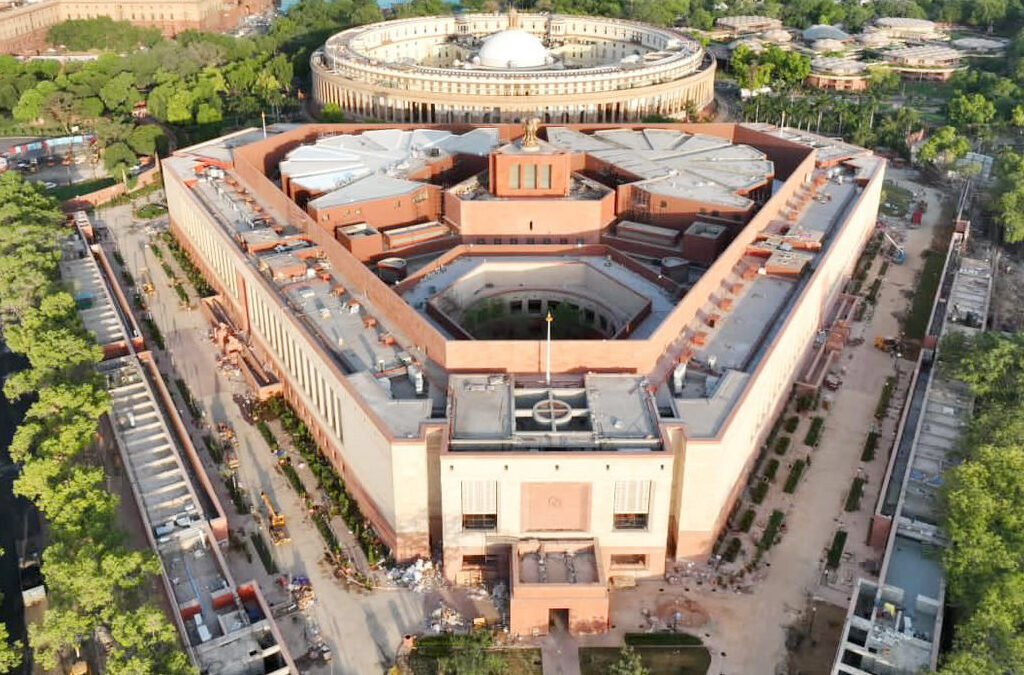
The Centre has not given up on calling a special session of Parliament to push through its pending Bills on delimitation and 33% reservation for women, The Tribune reported on Friday. The session could be held before the winter session, which normally takes place in December.
The proposed constitutional amendments would put 33% reservation for women in the Lok Sabha and state Assemblies into effect and approve a fresh delimitation of constituencies. Earlier versions were defeated on the floor of the Lok Sabha by a united Opposition.
The numbers game
Constitution amendment Bills need a two-thirds majority. With 543 seats in the Lok Sabha and three vacancies, 361 votes would be needed if every member is present and voting. Senior government sources told the paper that floor managers are confident of clearing the bar by “15 to 18 votes”, and that talks with the DMK, NCP (SP) and Shiv Sena (UBT) have gone well.
To win over southern states, the government has offered written assurances of a proportional rise in Lok Sabha seats, so that states which met family planning targets early are not penalised. Amit Shah had earlier suggested raising every state’s Lok Sabha strength by 50%.
Because the monsoon session was adjourned on 13 August but not prorogued, the government can recall Parliament at any time.
Congress hits back
Congress leader Jairam Ramesh said Shah had revived the “delimitation push” and predicted a three-day special session. He recalled the 17 April defeat in the Lok Sabha, which he said fell short by more than 50 votes, and called Shah “the master of bluff and bluster”. Congress wants an all-party meeting on the issue.
Parliamentary Affairs Minister Kiren Rijiju said the government had consulted the DMK, SP, Shiv Sena (UBT) and AIMIM, but Congress had not given time for a meeting. Responding to questions on keeping the Houses unprorogued, he listed earlier examples of long gaps, including 76 days in 1987, 54 days in 1989 and 49 days each in 2006 and 2013.
Sources
Related
Israel: Eisenkot Gets Mandate to Form Government as Netanyahu Bloc Falls Short of Majority
Fadnavis Defends Maharashtra’s UCC Plan as a ‘Constitutional Responsibility’, Hits Back at Owaisi and Rahul Gandhi