Iran says the Strait of Hormuz stays shut until the US meets seven conditions from the Islamabad deal
Parliament Speaker Mohammad Baqer Qalibaf tied any reopening to the June memorandum. The world's most important oil route has been largely closed since March, and India has been paying for it at the pump.
.jpg)
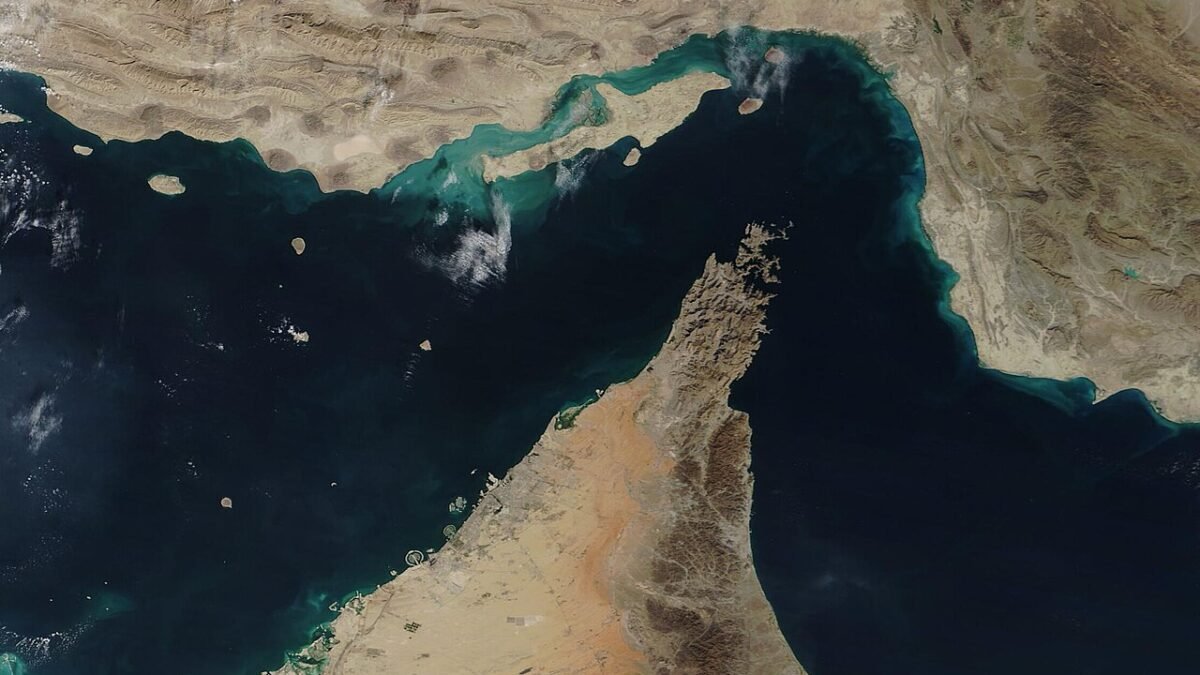
Iran will not reopen the Strait of Hormuz until the United States fulfils seven conditions based on the Islamabad memorandum of understanding, Parliament Speaker Mohammad Baqer Qalibaf said on Sunday.
Until our seven conditions based on the Islamabad memorandum of understanding are realised, the Strait of Hormuz will not be opened. — Mohammad Baqer Qalibaf, Speaker of Iran’s Parliament
He added that Iran would “neither become emotional nor intimidated” and would “both fight and negotiate”. Iran has not published the full list of seven conditions. Its publicly stated demands include an end to the fighting, the lifting of the US naval blockade, the release of frozen assets and sanctions relief.
How we got here
- 28 February: The US and Israel launched coordinated strikes on Iran. Iran answered with missile attacks on Israel and US bases in the Gulf.
- 4 March: Iran declared the strait closed and threatened to attack passing ships. Tanker traffic fell to almost nothing within days.
- 17 June: President Donald Trump and Iranian President Masoud Pezeshkian signed the Islamabad memorandum to end the war and the blockades.
- 20 June onwards: Iran re-closed the strait after Israeli strikes in southern Lebanon continued, and the interim truce collapsed in July after attacks on merchant ships.
Talks have continued. In September, Iranian Foreign Minister Abbas Araghchi held Qatar-mediated talks with US envoys Steve Witkoff and Jared Kushner during the UN General Assembly in New York, without a breakthrough.
What it means for India
Roughly a fifth of the world’s oil normally passes through Hormuz, and India imports most of its crude. Brent crude went above $100 a barrel in March for the first time in four years and peaked at about $126 in mid-March. The effect has reached Indian forecourts: petrol now costs ₹102.12 a litre in Delhi and ₹111.21 in Mumbai.
Indian seafarers have also been hurt. Several Indian crew members were killed in attacks on merchant ships between March and June. The Indian Navy has escorted Indian-flagged ships in the Gulf of Oman under Operation Urja Suraksha. In March, Iran said it would let Indian-flagged gas carriers through, one of a handful of countries it gave such permission.
Sources: The National, Al Jazeera, Wikipedia: 2026 Strait of Hormuz crisis, Goodreturns fuel prices.
Related
Algeria sent fighter jets to Niger to stop a coup attempt, President Tebboune says

Bosnia elects a new three-member presidency in a vote shaped by Serb separatism and the EU question