

Petrol above ₹100 is a warning. India’s energy security cannot depend on one strait
Seven months of the Hormuz crisis have shown how exposed Indian households are to a war they have no part in. The answer is diversification, not hoping for a ceasefire.
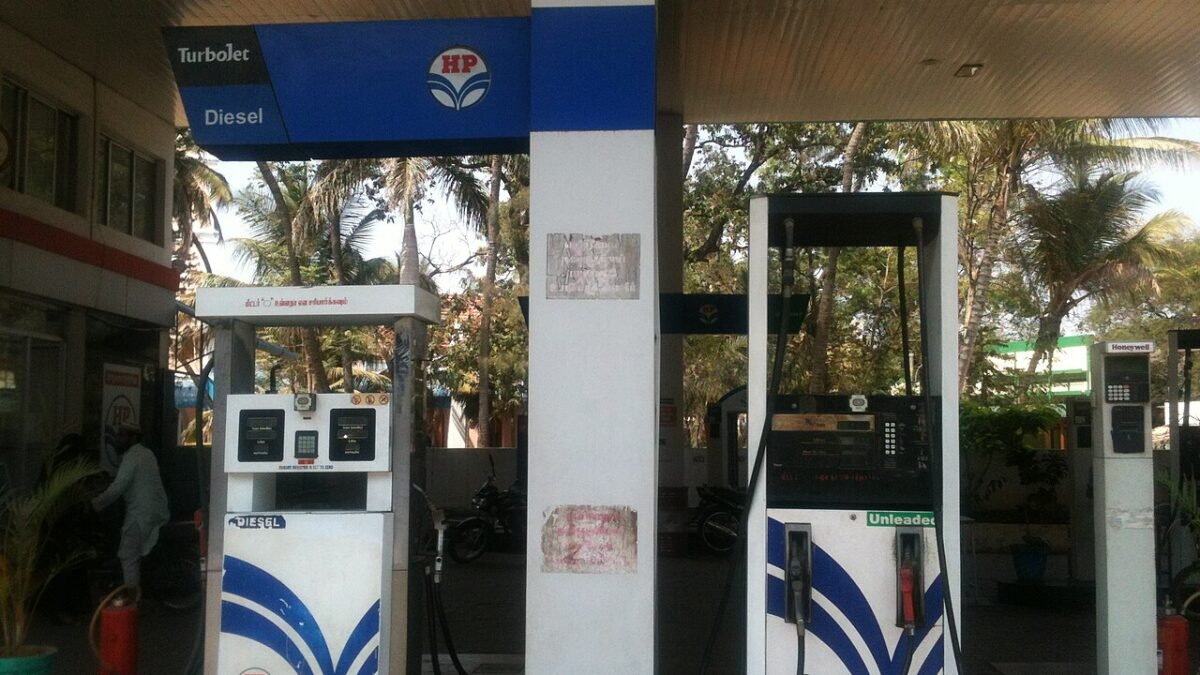

A litre of petrol costs ₹102.12 in Delhi and ₹111.21 in Mumbai. For a family that commutes on a two-wheeler, every rupee of that is felt. And the reason has little to do with India. Since March, a war between the United States, Israel and Iran has largely closed the Strait of Hormuz, the route for about a fifth of the world’s oil. Iran now says the strait will stay shut until the US meets seven conditions.
India imports most of the crude it uses. When Brent crude went above $100 a barrel in March and peaked at about $126, India had no say in it. Indian sailors have died in attacks on merchant ships. The Navy has had to escort Indian-flagged vessels. And with the Houthis now holding islands in the Bab al-Mandeb, the Red Sea route to Europe is at risk too.
Hoping is not a policy
The temptation is to wait for a deal in Islamabad or New York and expect prices to fall. Even if they do, the next crisis will come. India’s exposure is structural and needs a structural response.
- Bigger reserves. India’s strategic petroleum reserves cover days, not months. Building more storage, and filling it when prices fall, is cheap insurance.
- More suppliers, more routes. Crude from the Americas, West Africa and Russia that avoids the Gulf chokepoints reduces risk, even if it costs a little more in normal times.
- Make ethanol work for drivers. An IIT Delhi study says E85 must sell for about 25% less than petrol to match running costs. If the government wants flex-fuel cars, the pricing must make sense to the buyer.
- Electrify the two-wheeler. Two-wheelers use about 60% of India’s petrol. Every scooter that moves to electric power is a small reduction in a strategic vulnerability.
Be honest with consumers
Governments of every party have been tempted to keep pump prices artificially low, especially before elections, and leave oil companies to absorb the losses. That only delays the bill. Better to explain the costs openly, protect the poorest through targeted support, and use this crisis to cut a dependence that has outlasted many promises to end it.
The Rostrum View is The Daily Rostrum’s house editorial. Disagree? Send us a guest editorial.
Sources: Our report on the Hormuz crisis, Our report on E85, Goodreturns fuel prices, Wikipedia: 2026 Strait of Hormuz crisis.
The views expressed are the author's own and do not necessarily reflect those of The Daily Rostrum.
More from the Rostrum
All opinion →IRDAI is right: insurance should be bought, not sold to you
Commissions have grown far faster than premiums, and complaints are up sharply. The regulator's draft rules deserve support, and should be made tougher, not…
21 golds: Asian Games show depth. Now fund the athletes who are next
Golf, women's recurve archery and both hockey golds point to a broader sporting base. The test is whether money reaches the 17-year-olds before they…
Charging for UPI is fair. Breaking the habit of the chaiwala’s QR code is not
From 15 October large merchants will pay a small fee on bigger UPI payments. It is a sensible step, provided the exemption for small…
If 13 crore names have gone from the voter rolls, the Election Commission owes the country a full explanation
Cleaning voter rolls is necessary. Doing it at this scale, without enough transparency, puts at risk the trust that Indian elections depend on.