Delhi’s Air Stays ‘Very Poor’ at AQI 301; CPCB Explains Why App Readings Differ From Official Data
Delhi recorded a city AQI of 301 on Wednesday morning, with 29 stations above 300. CPCB said gaps between private apps and its own data come from different calculation methods, not under-reporting.
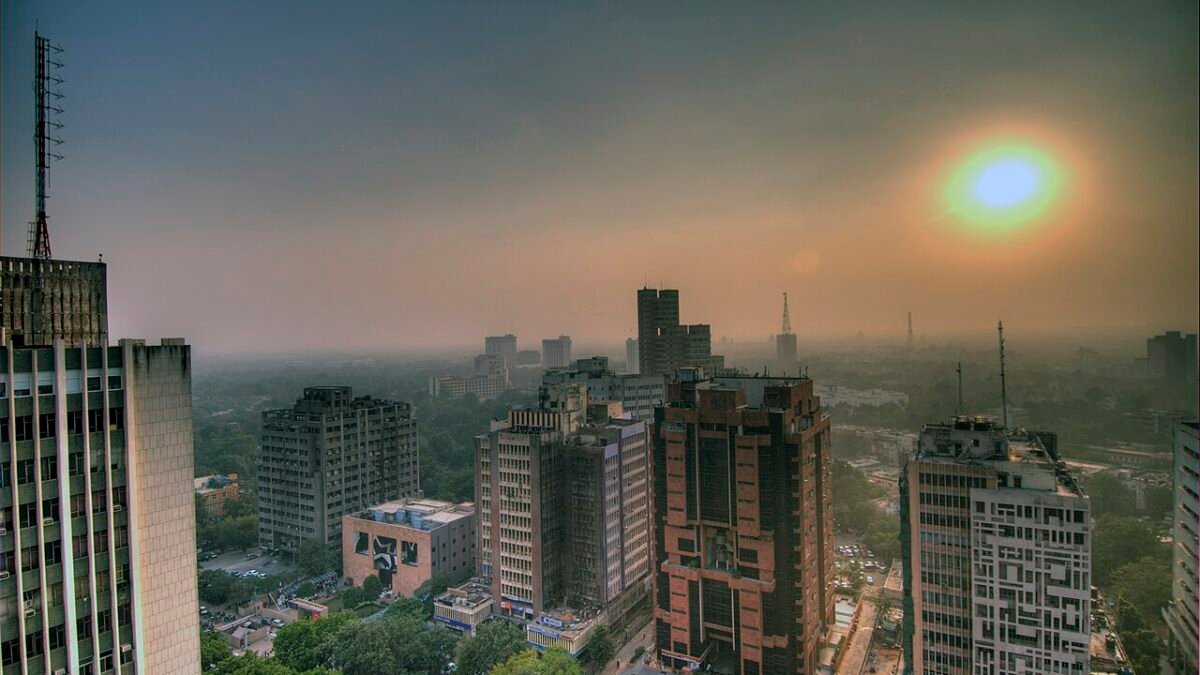
Delhi’s air quality remained in the “very poor” band on Wednesday, 11 November, with a city-level Air Quality Index (AQI) of 301 in the morning, according to real-time Central Pollution Control Board (CPCB) data reported by Business Standard. PM2.5 was the main pollutant at most stations.
Station readings
Of the 59 monitoring stations, 58 sent valid data. Fifty-six showed an AQI above 200 and 29 were above 300. The worst readings included:
- Chhawla — 398
- Chandni Chowk — 383
- Delhi Technological University — 382
- Delhi University North Campus — 378
- IIT Delhi — 375
- ITO — 369
Neighbouring cities were a notch better, in the “poor” range: Gurugram recorded 289, while Noida and Greater Noida were at 243 each.
Why apps show different numbers
On Tuesday the CPCB addressed complaints that private air-quality apps were showing far higher figures than the official platform. It said the differences come from the way pollutants are measured and calculated, and are not a sign of under-reporting. The official National AQI is based on the previous 24 hours, so apps can show higher figures during brief spikes and lower ones as levels fall.
The board added that particulate analysers installed when the National AQI was launched in 2015 are calibrated for 0–1,000 micrograms per cubic metre. Hourly readings outside that range are treated as out of range and left out of the calculation, which can create gaps at some stations during extreme events such as Diwali fireworks.
Data from the Delhi Pollution Control Committee showed PM2.5 at Akshardham touching 760.99 micrograms per cubic metre at 11 pm on Sunday — an hourly peak, not a daily average.
Featured image: Smog in the skies of Delhi, India by wili hybrid Original uploader was Lokantha at en.wikipedia. , CC BY 2.0, via Wikimedia Commons.
Sources
Related
Ayushman Bharat Set for AI Upgrade: Automated Claims, Stronger Fraud Checks and Voice-to-Record Tools

Grandson Has No Birthright in Property His Father Got in Partition of Grandfather’s Estate: Supreme Court