

Israel election count: Netanyahu bloc on 53 seats, Eisenkot camp 48, both short of majority
With about 90% of votes counted, neither Netanyahu's bloc nor the Eisenkot-led opposition is near 61 seats. Arab parties are set for a record 19, and soldiers' ballots are still being counted.
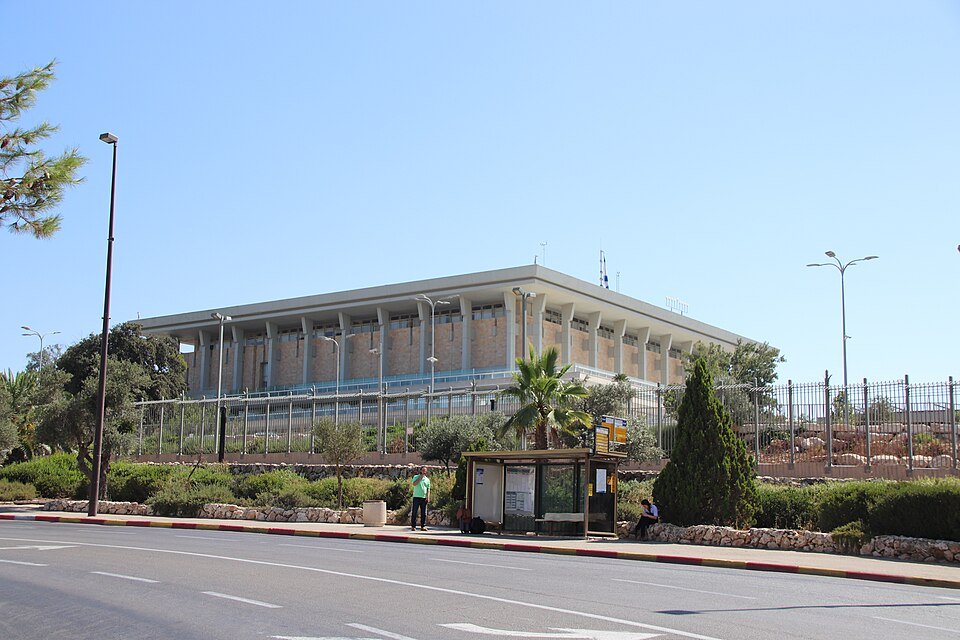
Israel’s general election has produced no clear winner. With roughly 90% of votes counted by late on Wednesday, 28 October, Prime Minister Benjamin Netanyahu’s right-wing and religious bloc was on course for 53 of the Knesset’s 120 seats, eight short of the 61 needed to govern, according to partial Central Elections Committee figures reported by The Times of Israel and ANI.
The opposition camp led by former army chief Gadi Eisenkot stood at 48 seats, while Arab-led parties were heading for 19, the highest combined tally they have recorded, according to Al Jazeera and The Times of Israel. Turnout was 77.7%, the highest since 1999, The Times of Israel reported.
Where the parties stand
A party-wise projection published by Ynet, based on 85.6% of votes counted, put Netanyahu’s Likud at 26 seats and Eisenkot’s Yashar! at 21. Naftali Bennett’s Beyachad was projected at 12, the Joint List at 13, the Democrats at 8 and Ra’am at 6. Yisrael Beytenu, United Torah Judaism, Shas and Otzma Yehudit were each projected at 7, with Religious Zionism-Zehut on 6.
On those figures, the Netanyahu bloc of Likud, Shas, United Torah Judaism, Otzma Yehudit and Religious Zionism adds up to 53. The Eisenkot camp of Yashar!, Beyachad, the Democrats and Yisrael Beytenu adds up to 48. Ynet’s report gave Ra’am both 6 and 7 seats in different passages.
Two newer parties were falling short of the 3.25% threshold: Yoaz Hendel’s Reservists list at about 2.6% and Ofer Winter’s People of Israel at about 1.6%, according to the ANI report.
How the count compares with exit polls
The count has moved against the opposition since polls closed. Exit polls reported on this site on Wednesday had placed the Netanyahu bloc at 50 seats and the Eisenkot camp at 52–53. The actual tally so far gives Netanyahu’s side about three more seats than those projections and leaves Eisenkot’s alliance four to five seats lower. Even so, neither side has reached a majority, which matches the broad picture the exit polls painted.
Uncounted ballots and the timeline
The last major tranche is the “double-envelope” vote cast by soldiers, diplomats, prisoners and others voting away from their home polling station. A preliminary committee estimate cited by The Times of Israel put these at 430,000 to 480,000, while Ynet and Al Jazeera referred to more than half a million. With each seat worth roughly 40,000 votes, analysts quoted by The Times of Israel expect these ballots to move individual parties by a seat or two but not to alter the balance between the blocs.
Ynet said counting of these ballots was due to finish on Thursday evening, with further checks next week. The Times of Israel said official results were not expected before 4 November. President Isaac Herzog is expected to start consultations with party leaders on who should form the next government once the official results are out, Al Jazeera reported. Netanyahu stays on as caretaker prime minister until then.
Coalition arithmetic
The 19 Arab seats are central to any path to 61 for the opposition, but most Jewish-led opposition parties are unwilling to partner with them. Eisenkot has ruled out a minority government relying on Arab parties, Al Jazeera reported. Joint List leader Yousef Jabareen said his alliance could back an anti-Netanyahu government from outside without joining it. Democrats leader Yair Golan has openly called for such an arrangement. “Netanyahu lost. I know how to count to 120,” Golan said, according to Ynet.
Netanyahu called on what he termed the “Zionist majority” to unite, while Likud accused Arab parties of stealing the election and said it was handing evidence to the police, the Shin Bet and the elections committee, Al Jazeera reported. The Joint List rejected the allegation. Analysts cited by Al Jazeera said a unity government between Netanyahu and Eisenkot was possible but far from certain.
Sources
- The Times of Israel: Last-to-be-counted ‘double envelope’ votes could shift Knesset seats, but not balance of power
- The Times of Israel: Liveblog, 28 October 2026
- Ynet: Israel election results: Netanyahu bloc at 53 seats, Eisenkot bloc at 48 as nearly all votes counted
- Al Jazeera: No clear winner in Israel election with nearly 90 percent of votes counted
- The Tribune (ANI): Pro-Netanyahu bloc leading Israel election with 53 seats as 90% of votes counted

1 comment