Maharashtra Moneylenders Must Show Licence at the Outset in Cheque Bounce Cases, Says Supreme Court
Clarifying its May ruling in Mansi Finance, the Supreme Court said that judgment was based on Tamil Nadu law and is not a pan-India precedent for unlicensed lenders.
The Supreme Court has made clear that an unlicensed moneylender in Maharashtra cannot lean on its May 2026 ruling to push cheque-dishonour cases, and that such a lender will have to place a valid licence before the court right at the start of the proceedings.
A bench of Justice Prashant Kumar Mishra and Justice N.V. Anjaria passed the order on Thursday, 29 October, in In the Matter of: Vyomesh Mahipatray Shah, a miscellaneous application filed in a criminal appeal. Justice Mishra wrote the judgment.
Why the application was filed
In May, the Court’s ruling in M/s Mansi Finance (Chennai) Ltd. v. M. Lalitha & Ors. revived cheque-bounce proceedings in a loan backed by promissory notes. The applicant feared that lenders in Maharashtra operating without a licence would cite that decision to bring similar complaints.
His counsel pointed out a key difference between the two state laws. The Tamil Nadu Money-Lenders Act, 1957 leaves advances made against negotiable instruments, including promissory notes, out of its definition of “loan”. Maharashtra’s Money-Lending (Regulation) Act, 2014, on the other hand, excludes only advances against negotiable instruments other than promissory notes, under Section 2(13)(j). A promissory-note advance in Maharashtra is therefore a “loan” and falls within the licensing bar in Section 4.
What the Court said
The bench agreed that the May judgment dealt only with the Tamil Nadu statute and said it should not be read as laying down a precedent for the whole country that lets unlicensed lenders file complaints under Sections 138 and 141 of the Negotiable Instruments Act, 1881.
Under Sections 4 and 13 of the Maharashtra Act, lending without a licence is barred and such loans cannot be enforced, so they are not a legally enforceable debt for the purposes of Section 138. In Maharashtra, the Court said, the lender must produce a licence to satisfy the court at the threshold.
The bench declined to go further, noting that it had not examined either state’s money-lending law in the May ruling. Parties remain free to raise the Section 13 bar before trial courts or higher courts, which will decide it on the facts.
Senior Advocate Dr Abhishek Manu Singhvi appeared for the petitioner, and Senior Advocate Shyam Divan for the respondent.
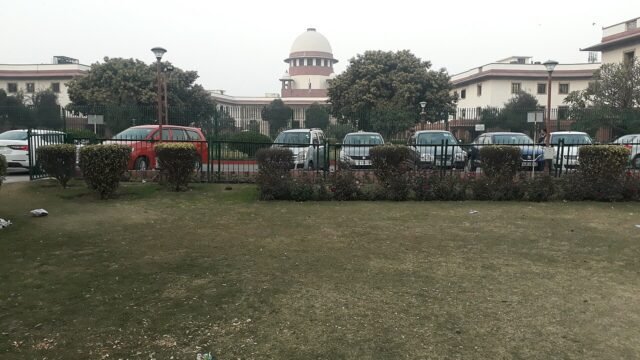
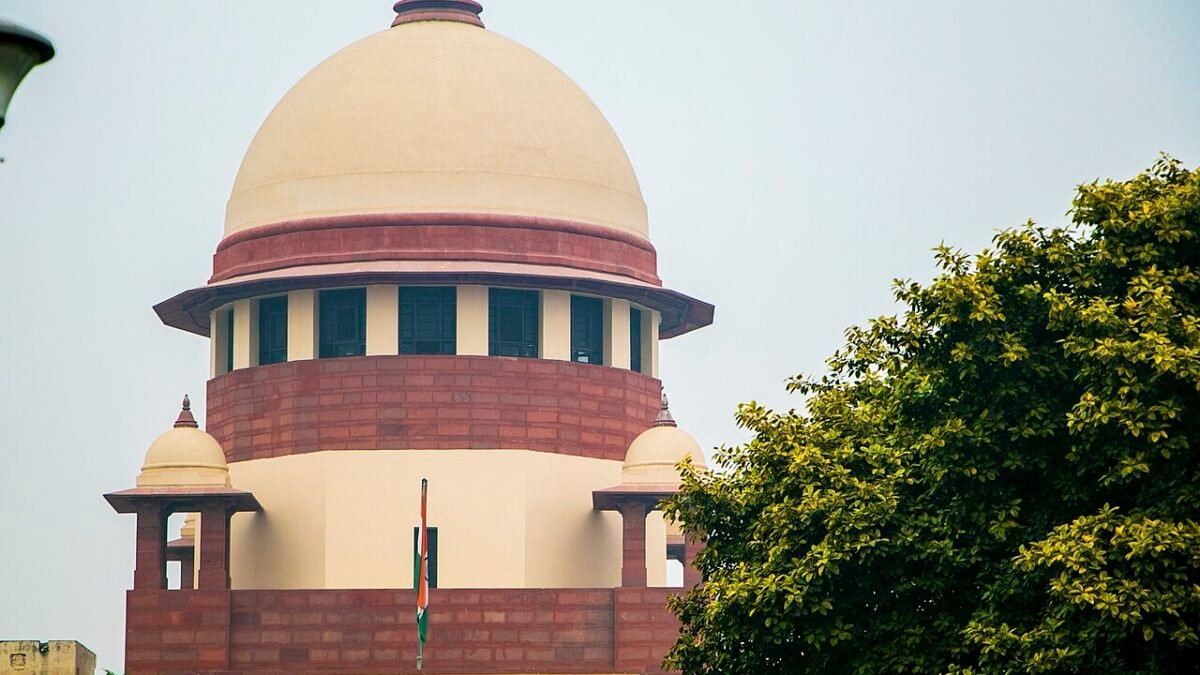
Featured image: The central wing of the Supreme Court of India in New Delhi. Photo: Subhashish Panigrahi, Wikimedia Commons, CC BY-SA 4.0 (source).
Sources
Related
Azam Khan Taken Into ED Custody Minutes After Walking Out of Rampur Jail on HC Relief in PAN Card Case

Supreme Court Sends Reliance–Centre KG Basin Gas Dispute to Mediation, Names Justice Ranjana Desai