Supreme Court Proposes Banks Compensate Digital Arrest Victims Where Due Diligence Fails
A bench led by CJI Surya Kant said banks could be made to pay victims and face prosecution if lapses in their checks helped fraudsters.
The Supreme Court on Thursday signalled that banks may soon have to compensate victims of digital arrest and other cyber frauds where a failure of the bank’s own due diligence contributed to the loss. A bench of Chief Justice Surya Kant, Justice Joymalya Bagchi and Justice V. Mohana made the observations while hearing the suo motu case on digital arrest scams.
“We are proposing to direct that wherever such fraud takes place, bank will compensate victim and suffer prosecution,” the Chief Justice remarked, questioning why existing banking safeguards were failing to stop such crimes.
Prevention, not post-mortem
The bench stressed that unusual transactions should be held until verified. The CJI gave the example of a customer who normally withdraws ₹10,000 or ₹20,000 suddenly moving a much larger sum, saying such deviations should raise a red flag. He described reporting after the event as a “post-mortem” and asked why a suspicious transaction could not be stopped the moment it is initiated. The court also suggested that banks alert the local police where a customer appears to be a digital arrest victim, and flagged the misuse of mule accounts.
The CJI said close to ₹800 crore had been lost to such frauds this year. Amicus curiae N.S. Nappinai cited a recent case in which a woman lost ₹2.5 crore.
Centre points to RBI rules
Attorney General R. Venkataramani opposed the court itself imposing penalties on banks, arguing it was a matter for the Reserve Bank of India. He said the RBI’s new rules to curb digital arrests would soon come into force, that banks were now flagging suspicious transactions better than six months ago, and that reported digital arrest cases had fallen by about half compared with last year.
The court asked the RBI to place on record a list of all authorised financial institutions, so that any directions could apply to them without each bank being made a party, and said it would examine whether the RBI’s KYC Amendment Directions, 2026 offer adequate relief to victims. No final directions have been issued yet.
What it means for you
If the proposal becomes a binding direction, customers who lose money because a bank ignored obvious warning signs could claim compensation at least to the extent of their loss. Until then, victims should report fraud immediately on the national cyber crime helpline 1930 or at cybercrime.gov.in and inform their bank in writing.
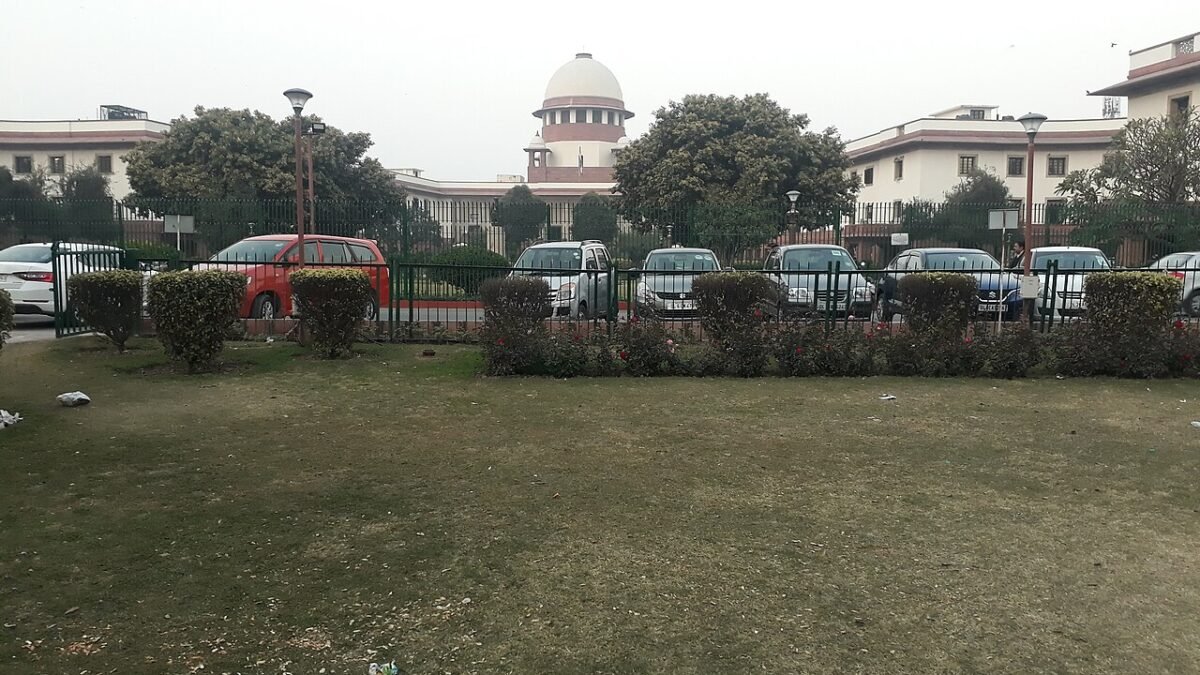
Featured image: The Supreme Court of India, New Delhi. Photo: Pinakpani, Wikimedia Commons, CC BY-SA 4.0 (source).
Sources
Related

Supreme Court cancels spy-case bail, says lapse in giving written arrest grounds is no automatic ticket to bail

Supreme Court adjourns pleas against CEC Gyanesh Kumar to 17 November, allows 10 days for rejoinder